


- Kako koristiti ovaj dokument
- Modul 1: Uvod u mikrovrtlarstvo i održivi urbani dizajn
- Modul 2: Unutarnji mikrovrtovi i biljke na dohvat ruke
- Modul 3: Balkon, dizajn i gejmifikacija vrta
- Modul 4: Zajednički vrtovi i vrt kao društveni alat
- Modul 5: Kompostiranje, zero-waste kuhanje i osobni akcijski plan
- Aneks I: Radni materijali
- Aneks II: Prototipovi ozbiljnih igara
Kako koristiti ovaj dokument
Upute za rad izvan mreže (offline)
Ovaj kurikulum je strukturiran u pet zasebnih modula, od kojih svaki sadrži tri lekcije, kako bi vodio jasan i progresivan put učenja. Sadržaj se nalazi na početku dokumenta i sadrži poveznice, što vam omogućuje da kliknete na bilo koji naslov modula ili lekcije kako biste navigirali izravno do tog odjeljka unutar dokumenta. Za brzo pronalaženje specifičnih ključnih riječi, aktivnosti ili koncepata, možete koristiti ugrađenu funkciju pretraživanja vašeg čitača dokumenata (obično Ctrl+F na Windowsima i ⌘+F na macOS-u i ostalim Apple uređajima). Primarna prednost ove izvanmrežne verzije je njezina pouzdanost i dostupnost, što osigurava da je možete koristiti za pripremu i provođenje radionica u bilo kojem okruženju, čak i na lokacijama bez stabilne internetske veze. Izvanmrežna verzija (PDF datoteka) također vam omogućuje da je ispišete. Međutim, zbog održivosti i ekoloških razloga, toplo preporučujemo da ovaj dokument ispisujete štedljivo, ako uopće.
Upute za rad na mreži (online)
Za interaktivnije iskustvo, mrežna verzija ovog kurikuluma dostupna je na web stranici projekta InclusiGardens. Mrežna platforma nudi poboljšanu navigaciju, što vam omogućuje lako prebacivanje između modula i pristup srodnim resursima iz e-Zbirke alata i e-Kuharice. Ona također uključuje značajke pristupačnosti, kao što su opcije za prilagodbu veličine teksta i kontrasta, odabir fonta prilagođenog disleksiji, korištenje čitača ekrana itd., kako bi se bolje udovoljilo svim polaznicima. Nadalje, vanjske poveznice na izvore istraživanja i digitalni obrazac za povratne informacije u potpunosti su funkcionalni u mrežnoj verziji, pružajući povezano i integrirano iskustvo za edukatore i sudionike.
Uvod
Dobrodošli u InclusiGardens kurikulum!
Ovaj program je posebno razvijen za predavače, edukatore i voditelje u području obrazovanja odraslih koji rade s različitim polaznicima, uključujući one iz ranjivih ili marginaliziranih skupina. Kurikulum prenosi načela i prakse iz e-Zbirke alata o održivom urbanom mikrovrtlarstvu i zero-waste e-Kuharice projekta InclusiGardens u privlačno, praktično iskustvo učenja. Osmišljen je kao samostalan program osposobljavanja, u kojem su sve potrebne informacije osigurane unutar samih lekcija. Kako bi proces učenja bio privlačniji i motivirajući, ovaj kurikulum uvodi temeljne strategije gejmifikacije i potencijalne scenarije razvijene unutar projekta InclusiGardens. Ovaj okvir postavlja temelje za buduće ozbiljne igre, dok istovremeno transformira trenutno obrazovno putovanje u niz nagrađujućih izazova.
Primarni cilj ovog kurikuluma je osnažiti urbane stanovnike, posebno one koji su možda nezaposleni, imaju niske prihode ili se suočavaju sa socijalnom isključenošću, praktičnim vještinama i samopouzdanjem za uzgoj vlastite hrane u malim, urbanim prostorima. Kroz praksu mikrovrtlarstva, program ima za cilj poboljšati pristup svježoj, zdravoj hrani, promicati ekološki održive stilove života i ojačati veze u zajednici. Za predavače odraslih, ovaj kurikulum služi kao alat za poticanje ključnih kompetencija kao što su osobno osnaživanje, socijalna uključenost i upravljanje okolišem među polaznicima.
Kurikulum je strukturiran progresivno kako bi se osigurao podržavajući i osnažujući proces učenja za odrasle polaznike. Temelji se na pedagoškom načelu kretanja malim koracima kako bi se izgradilo samopouzdanje i održala motivacija. Moduli vode polaznike od temeljnih koncepata do praktičnih primjena, počevši od najjednostavnije početne točke, unutarnjeg vrta na prozorskoj dasci, prije prelaska na vrtlarenje na balkonu i na kraju na zajedničke prostore u zajednici. Svaka lekcija nadograđuje se na prethodnu, pripremajući polaznike za uspješan i ugodan pothvat u urbanom vrtlarenju, dok istovremeno oprema predavače jasnim, učinkovitim i prilagodljivim okvirom za poučavanje. Ova struktura namjerno uključuje vremensku fleksibilnost, omogućujući predavačima da produlje ili skrate aktivnosti kako bi zadovoljili različite brzine učenja, interese i potrebe svojih polaznika.
Kurikulum je osmišljen za ugodan, poučan i ispunjavajući proces učenja koji vodi do toga da svi uključeni daju zelene palčeve gore za učenje!
Upute za provođenje ovog kurikuluma
Ovaj kurikulum je osmišljen za praktične radionice uživo, gdje je iskustveno učenje ključno. Uloga predavača je olakšati aktivnosti, poticati podržavajuću grupnu dinamiku i pružiti individualizirano vođenje. Ključna razmatranja uključuju pripremu fizičkog prostora raspoređivanjem stolova za suradnju, osiguravanje da su svi materijali poput zemlje, posuda i tiskanih radnih listova unaprijed organizirani u komplete za svakog polaznika, te korištenje vizualnih pomagala poput pokretnih ploča (s papirom – flip-chart) i primjera pravih biljaka kako bi koncepti postali opipljivi. Predavač bi trebao dati prioritet jasnim demonstracijama uživo za sve praktične zadatke i kretati se prostorijom kako bi ponudio personaliziranu podršku, stvarajući inkluzivnu i poticajnu atmosferu koja omogućuje polaznicima da izgrade samopouzdanje kroz izravnu interakciju s materijalima i vršnjacima.
Prilagodba ovog praktičnog kurikuluma za mrežni kontekst zahtijeva pažljivo planiranje kako bi se održao angažman i praktično učenje. Prije tečaja, predavač mora osigurati da svi polaznici prime potrebne materijale, bilo slanjem unaprijed pripremljenih kompleta ili pružanjem detaljnog popisa predmeta koje trebaju nabaviti. Program bi se trebao provoditi na video-konferencijskoj platformi prilagođenoj korisnicima, a svi radni listovi i resursi moraju biti osigurani u digitalnom formatu. Predavač mora prilagoditi aktivnosti za virtualni prostor, koristeći alate poput soba za sastanke za rasprave u malim skupinama, virtualnih ploča za razmjenu ideja i visokokvalitetnih postavki kamere za jasne demonstracije. Kako bi se održala interakcija, predavač bi trebao često koristiti ankete, značajku čavrljanja (chat) te poticati polaznike da podijele svoj napredak pred kamerom, transformirajući praktične aktivnosti u zajedničko, vođeno mrežno iskustvo.
Modul 1: Uvod u mikrovrtlarstvo i održivi urbani dizajn
Ovaj temeljni modul uvodi polaznike u ključne koncepte koji čine bazu cijelog programa. On istražuje razloge i važnost urbanog vrtlarenja, povezujući ga s osobnim blagostanjem, otpornošću zajednice i ekološkom održivošću. Sudionici će se upoznati s etikom i načelima permakulture kao filozofije dizajna za stvaranje učinkovitih i skladnih sustava. Modul završava praktičnim planiranjem u kojem polaznici kroz strukturirani proces, korak po korak, promatraju svoje osobno okruženje i izrađuju realističan plan za svoj prvi mikrovrt, osiguravajući da je dizajn prilagođen njihovom specifičnom prostoru, resursima i ciljevima.
Plan modula
| Naslov modula | Uvod u mikrovrtlarstvo i održivi urbani dizajn |
| Format | 3 lekcije + dnevni sažetak |
| Cilj modula | Do kraja ovog modula polaznici će razumjeti ključna načela permakulture, prepoznati različite vrste urbanih mikrovrtova te biti sposobni izraditi temeljni plan za vlastiti vrtlarski prostor. |
| Ishodi učenja | Nakon završetka modula, polaznici će moći: – Definirati tri ključna etička načela permakulture i navesti primjer iz stvarnog života za svako od njih. – Razlikovati unutarnje, balkonske i zajedničke mikrovrtove te navesti glavne prednosti svakog od njih. – Primijeniti prvih pet koraka strukturiranog procesa dizajna (GOBRADIME) za izradu preliminarnog plana vrta. |
| Inkluzivnost i prilagodba | Predavači trebaju upotrijebiti jasan i jednostavan jezik, izbjegavajući stručni žargon. Ključni koncepti i radni listovi trebaju biti dostupni u tiskanom obliku za polaznike koji se manje ugodno osjećaju s digitalnim alatima (ako je potrebno). Potrebno je osigurati dovoljno vremena za individualne i grupne aktivnosti, omogućujući polaznicima da rade vlastitim ritmom i osiguravajući podržavajuću atmosferu bez pritiska. |
| Praćenje i vrednovanje | Razumijevanje će se vrednovati kroz aktivno sudjelovanje u grupnim raspravama, praktičnim aktivnostima planiranja te kroz završno predstavljanje jednostavnog plana vrta. |
| Resursi i materijali | Projektor, ploča ili pokretna ploča (s papirom – flip-chart), markeri, tiskani materijali s ključnim konceptima, radni list „Moj plan vrta“ te odabrani vodiči prilagođeni iz e-Zbirke alata (Modul 1). |
| Pedagoška načela | Pristup usmjeren na polaznika, učenje kroz rad, učenje temeljeno na rješavanju problema, refleksivna praksa i primjena znanja u osobnom kontekstu. |
| Oblici i metode rada | Rasprava u velikoj skupini, individualni rad, suradnja u malim skupinama, praktične aktivnosti planiranja. |
| Korištenje tehnologije u nastavi | Projektor će se koristiti za prikazivanje slika, ključnih koncepata i jednostavnih vodiča prilagođenih iz e-Zbirke alata. |
1.1. Osnove permakulture i održivosti
| Ciljevi lekcije | Polaznici će usvojiti tri ključna etička načela permakulture. Bit će sposobni definirati pojmove „kružnost” i „otpornost” u urbanom kontekstu. |
| Oblici rada | Rad u velikoj skupini i rad u malim skupinama. |
| Metode rada | Interaktivno predavanje, brainstorming, analiza primjera iz stvarnog života. |
| Nastavna pomagala | Ploča, markeri, projektor, jednostavni tiskani materijali prilagođeni iz e-Zbirke alata (Modul 1). |
Plan lekcije
| Predavač | Polaznik |
| Uvod Predavač započinje poticajnim pitanjem: „Što za vas znači održivi život u gradu?”. Zatim uvodi citat: „Posaditi vrt znači vjerovati u sutra”, kako bi postavio pozitivan ton i potaknuo kratku raspravu. | Polaznici dijele svoja mišljenja i primjere urbane održivosti. |
| Glavni dio Predavač predstavlja permakulturu kao filozofiju dizajna koja oponaša prirodne ekosustave. Tri ključna etička načela objašnjavaju se na jednostavan način: Briga za Zemlju: njegovanje planeta. Briga za ljude: međusobna podrška. Pravedna raspodjela: dijeljenje viška resursa. Predavač pojašnjava da su to vodeća načela za stvaranje otpornih i samoodrživih sustava, a ne samo vrtova. | Polaznici slušaju izlaganje. U malim skupinama raspravljaju kako bi pronašli jedan lokalni primjer za svako etičko načelo (npr. lokalni program recikliranja za Brigu za Zemlju, susjedsku pomoć za Brigu za ljude, zajednički voćnjak za Pravednu raspodjelu). |
| Zaključak Predavač poziva svaku skupinu da podijeli jedan svoj primjer. Lekcija završava pitanjem: „Kako možemo primijeniti ova tri etička načela kada počnemo dizajnirati vlastite male vrtove?”. | Svaka skupina predstavlja jedan primjer. Polaznici promišljaju o tome kako se ova etička načela izravno povezuju sa samim vrtlarenjem. |
1.2. Vrste mikrovrtova u urbanim sredinama
| Ciljevi lekcije | Polaznici će moći prepoznati najmanje tri vrste urbanih mikrovrtova. Razumjet će glavne prednosti i ograničenja svake pojedine vrste. |
| Oblici rada | Rad u velikoj skupini i rad u malim skupinama. |
| Metode rada | Vizualna analiza, zajednička izrada popisa, grupno izlaganje. |
| Nastavna pomagala | Projektor s fotografijama različitih vrsta vrtova, papir za pokretnu ploču (flip-chart), markeri, pojednostavljeni materijali iz e-Zbirke alata (Modul 1). |
Plan lekcije
| Predavač | Polaznik |
| Uvod Predavač predstavlja inspirativne fotografije iz e-Zbirke alata koje dočaravaju tri različite vrste vrtova: unutarnji (prozorska daska), balkonski (uzgoj u posudama) i zajednički (dijeljena parcela). Predavač pita: „Koji vam se od ovih prostora u ovom trenutku čini najostvarivijim?”. | Polaznici promatraju fotografije i dijele svoje prve dojmove i želje. |
| Glavni dio Predavač daje kratak pregled svake vrste vrta koristeći jednostavne opise iz e-Zbirke alata (npr. „Unutarnji vrtovi daju brze rezultate”, „Balkonski vrtovi pružaju više kreativnog prostora”, „Zajednički vrtovi potiču suradnju”). Zatim dijeli polaznike u tri skupine i svakoj dodjeljuje jednu vrstu vrta. | Polaznici u svojim skupinama izrađuju tablicu s dva stupca: „Prednosti” i „Ograničenja”. Pritom uzimaju u obzir čimbenike poput troškova, potrebnog prostora, uloženog vremena i potencijalnog prinosa za dodijeljenu vrstu vrta. |
| Zaključak Predavač vodi aktivnost „šetnje kroz galeriju” (gallery walk), što skupinama omogućuje da pregledaju popise drugih timova. Nakon toga moderira raspravu u velikoj skupini o tome koja se vrsta vrta čini najprikladnijom za njihovu osobnu situaciju i zašto. | Polaznici pregledavaju zaključke ostalih skupina. Sudjeluju u raspravi obrazlažući koja se vrsta vrta najbolje uklapa u njihove osobne životne okolnosti. |
1.3. Prvi koraci u uzgoju mikrovrtova
| Ciljevi lekcije | Polaznici će usvojiti prvih pet koraka strukturiranog procesa dizajna vrta (GOBRADIME). Primijenit će ove korake kako bi izradili jednostavan, preliminarni plan za vlastiti prostor. |
| Oblici rada | Rasprava u skupinama, individualni rad i razmjena ideja u parovima. |
| Metode rada | Vođeno izlaganje, ispunjavanje radnog lista, razmjena povratnih informacija među polaznicima. |
| Nastavna pomagala | Projektor s fotografijama različitih vrsta vrtova, papir za pokretnu ploču (flip-chart), markeri, pojednostavljeni materijali iz e-Zbirke alata (Modul 1). |
Plan lekcije
| Predavač | Polaznik |
| Uvod Predavač naglašava da je promišljeno planiranje ključ uspješnog vrtlarenja bez stresa. Predstavlja GOBRADIME okvir kao jednostavan „putokaz za vaš vrt”. | Polaznici preuzimaju svoj radni list „Moj plan vrta”. |
| Glavni dio Predavač vodi polaznike kroz radni list, objašnjavajući svaki korak na temelju metodologije iz e-Zbirke alata: Ciljevi: „Što želite da vam vaš vrt pruži?” (npr. svježe začinsko bilje za kuhanje, opuštajući zeleni prostor). Promatranje: „Postanite detektiv u vlastitom domu.” Potiče polaznike da razmisle o izloženosti suncu, vjetru i pristupu vodi. Granice: „Budite realni u pogledu svojih ograničenja.” To uključuje vrijeme, proračun te kućni red ili pravila stanovanja. Resursi: „Što možete besplatno iskoristiti?” Predavač potiče na razmišljanje o prenamjeni predmeta poput čašica jogurta ili kartona za jaja. Analiza: „Povežite sve dijelove.” Ponuđena je jednostavna tablica koja im pomaže uskladiti svoja promatranja i ograničenja s odgovarajućom vrstom vrta. | Polaznici ispunjavaju svoje radne listove, promišljajući o vlastitom okruženju i ograničenjima. Koriste priloženu tablicu kako bi odabrali prikladnu vrstu vrta te u paru dijele svoja prva razmišljanja. |
| Zaključak Predavač traži od nekoliko polaznika da podijele jednu ključnu spoznaju ili odluku do koje su došli tijekom procesa planiranja. | Polaznici dijele najvažnije naglaske iz svog plana, primjerice: „Shvatio sam da je unutarnji vrt sa začinskim biljem najbolji izbor za moj užurbani raspored.” |
Završni osvrt
Pitanje za osvrt: Što sam danas naučio/naučila?
Aktivnost: Predavač usmjerava polaznike da u malim skupinama predstave svoje radne listove „Moj plan vrta”. Svaka osoba iznosi svoj glavni cilj i odabranu vrstu vrta uz kratko obrazloženje. Time se utvrđuje ono što su tog dana naučili i gradi osjećaj zajedničke svrhe.
Modul 2: Unutarnji mikrovrtovi i biljke na dohvat ruke
Ovaj modul prelazi s teorije na praksu, usmjeravajući se na najpristupačniju početnu točku: unutarnji vrt. Osmišljen je tako da bude izrazito iskustven, pružajući polaznicima trenutne, opipljive rezultate kako bi izgradili svoje samopouzdanje. Polaznici će usvojiti praktične vještine potrebne za uzgoj brzorastućih klica i mikrozelenja, sadnju uobičajenog začinskog bilja u posude, pa čak i za ponovni uzgoj povrća iz ostataka hrane. Lekcije također pokrivaju osnovnu njegu biljaka, rješavanje uobičajenih problema i jednostavne tehnike razmnožavanja, pružajući polaznicima temeljna znanja kako bi njihove nove sobne biljke napredovale.
Plan modula
| Naziv modula | Unutarnji mikrovrtovi i biljke na dohvat ruke |
| Format | 3 lekcije + dnevni sažetak |
| Cilj modula | Polaznici će naučiti uzgajati klice, mikrozelenje i začinsko bilje u zatvorenom prostoru. Bit će sposobni osnovati jednostavan unutarnji vrt, prepoznati uobičajene probleme i razumjeti osnovnu njegu biljaka. |
| Ishodi učenja | Nakon završetka modula, polaznici će moći: – Uspješno pripremiti staklenku za uzgoj klica i plitku posudu za uzgoj mikrozelenja. – Pravilno posaditi presadnicu začinskog bilja u posudu i pokrenuti proces ponovnog uzgoja povrća iz ostataka hrane. – Prepoznati najmanje dva uobičajena problema kod sobnih biljaka i predložiti rješenje. – Demonstrirati jednostavnu metodu razmnožavanja biljaka, poput uzimanja reznice stabljike. |
| Inkluzivnost i prilagodba | Predavači moraju osigurati jasne demonstracije korak po korak za sve praktične aktivnosti. Materijali trebaju biti unaprijed pripremljeni i organizirani kako bi bili lako dostupni. Polaznicima s motoričkim poteškoćama može se dodijeliti partner za podršku. Sve upute trebaju biti pružene i usmeno i u obliku pojednostavljenih, tiskanih priručnika s jasnim vizualnim prikazima (ako je potrebno). |
| Praćenje i vrednovanje | Napredak će se pratiti kroz praktične aktivnosti i grupne rasprave. Modul će završiti aktivnošću kratkog izlaganja uz demonstraciju s biljkama čiji je uzgoj započet tijekom radionice. |
| Resursi i materijali | Staklenke za uzgoj klica, plitke posude za mikrozelenje, zemlja, sjeme (npr. lucerna, rotkvica, bosiljak), bočice s raspršivačem, male posude za sadnju, pojednostavljeni priručnici iz e-Zbirke alata (Modul 2). |
| Pedagoška načela | Iskustveno učenje (učenje kroz rad), aktivno sudjelovanje, učenje promatranjem i rješavanje problema. |
| Oblici i metode rada | Demonstracije, samostalan praktičan rad, suradnja u paru, grupne rasprave. |
| Upotreba tehnologije u nastavi | Projektor će se upotrebljavati za prikazivanje jasnih slika i jednostavnih tablica iz e-Zbirke alata. |
2.1. Biljke na prozorskoj daski
| Ciljevi lekcije | Polaznici će moći odabrati prikladno začinsko bilje, lisnato povrće i sobne biljke za uzgoj u zatvorenom prostoru. Razumjet će potrebe različitih sobnih biljaka za svjetlošću, vodom i prostorom. |
| Oblici rada | Grupna rasprava, rad u paru. |
| Metode rada | Analiza primjera, upotreba informativnih tablica, zajedničko planiranje. |
| Nastavna pomagala | Projektor, ploča, pojednostavljeni informativni listovi o biljkama iz e-Zbirke alata (odjeljci 2.5 i 2.6). |
Plan lekcije
| Predavač | Polaznik |
| Uvod Predavač dijeli posude s aromatičnim biljem poput bosiljka i mente, zajedno s jednostavnim sobnim biljkama poput zelenog ljiljana. Postavlja uvodno pitanje: „Što biljku čini dobrim cimerom?”. Time pokreće raspravu o prednostima sobnih biljaka. | Polaznici promatraju i opipavaju biljke, dijeleći svoja iskustva i preferencije. Raspravljaju o pozitivnim aspektima posjedovanja biljaka kod kuće. |
| Glavni dio Predavač predstavlja pojednostavljene tablice iz e-Zbirke alata s detaljnim zahtjevima za njegu začinskog bilja, lisnatog povrća i sobnih biljaka. Naglašavaju se ključne informacije, poput potrebe za svjetlošću (npr. puno sunca za bosiljak nasuprot malo svjetlosti za sanseveriju) i sigurnosti za kućne ljubimce. Zatim dijeli polaznike u male skupine. | Polaznici u svojim skupinama koriste tablice i svoje planove vrta iz Modula 1 kako bi odabrali „tim snova” od tri biljke za svoju prozorsku dasku. Obrazlažu svoj izbor na temelju kućnog okruženja, osobnih ciljeva i važnih sigurnosnih razmatranja (npr. „Odabrao sam mentu za pripremu čaja, a izbjegao sam zlatni puzavac jer dijelim stan s mačkom”). |
| Zaključak Svaka skupina predstavlja svoj „tim snova” ostalim skupinama, objašnjavajući razloge koji stoje iza njihovog odabira. | Skupine dijele svoj odabir biljaka. Polaznike se potiče da postavljaju pitanja i daju prijedloge drugim skupinama. |
2.2. Klice, mikrozelenje i začinsko bilje
| Ciljevi lekcije | Polaznici će naučiti postupak uzgoja klica u staklenki i mikrozelenja u plitkoj posudi. Vježbat će sadnju malog začinskog bilja u posude i naučiti kako ponovno uzgojiti povrće iz ostataka hrane. |
| Oblici rada | Demonstracija, rotacija skupina, samostalna sadnja. |
| Metode rada | Praktična radionica. |
| Nastavna pomagala | Staklenke, plitke posude, zemlja, sjeme (lucerne, rotkvice), male biljke bosiljka, ostaci mladog luka, bočice s raspršivačem, priručnici prilagođeni iz e-Zbirke alata (odjeljci 2.1, 2.2 i 2.5). |
Plan lekcije
| Predavač | Polaznik |
| Uvod Predavač nudi kušanje svježih klica i mikrozelenja, opisujući ih kao „superbrze grickalice” i „sitne biljke intenzivnog okusa”. Također predstavlja biljku bosiljka i ostatke mladog luka predviđene za današnje aktivnosti. | Polaznici kušaju uzorke i komentiraju okuse. Pregledavaju materijale pripremljene za radionicu. |
| Glavni dio Predavač organizira tri radne stanice. Polaznici se dijele u tri skupine koje se rotiraju kroz svaku stanicu. Stanica 1 (klice): Osiguran je priručnik za uzgoj klica u staklenki. Predavač naglašava odjeljak „Sigurnost na prvom mjestu!” koji se odnosi na higijenu i sanitaciju. Stanica 2 (mikrozelenje): Osiguran je priručnik za uzgoj mikrozelenja u plitkoj posudi. Predavač na projektoru prikazuje vizualne materijale visoke rezolucije (ili dijeli zaslon) kako bi jasno prikazao razliku između zdravih korijenskih dlačica i plijesni. Stanica 3 (začinsko bilje i ostaci): Svaki polaznik sadi vlastitu biljku bosiljka u posudu i stavlja ostatke mladog luka u vodu za ponovni uzgoj. | Polaznici sudjeluju u praktičnim aktivnostima na svakoj stanici, pripremajući svoje klice, mikrozelenje, začinsko bilje u posudama i projekte ponovnog uzgoja. |
| Zaključak Predavač ukratko ponavlja upute iz e-Zbirke alata o njezi biljaka kod kuće. | Polaznici označavaju svoje projekte koje će ponijeti kući i postavljaju završna pitanja u vezi s njegom. |
2.3. Njega, izazovi i primjeri dobre prakse
| Ciljevi lekcije | Polaznici će naučiti prepoznati i riješiti uobičajene probleme kod sobnih biljaka. Naučit će tri jednostavne metode razmnožavanja novih biljaka iz postojećih. |
| Oblici rada | Demonstracija, grupna rasprava, sesija pitanja i odgovora (Q&A). |
| Metode rada | Analiza primjera, demonstracija uživo, zajedničko rješavanje problema. |
| Nastavna pomagala | Žive biljke (npr. zlatni puzavac, zeleni ljiljan), staklenke s vodom, male posude sa zemljom, čist nož, ploča, markeri, priručnici prilagođeni iz e-Zbirke alata (odjeljci 2.2, 2.6 i 2.9). |
Plan lekcije
| Predavač | Polaznik |
| Uvod Predavač predstavlja slike biljaka s uobičajenim problemima (žuto lišće, izdužene stabljike, pepelnica) i pita: „Što nam ove biljke pokušavaju reći?” | Polaznici promatraju slike i iznose pretpostavke o mogućim uzrocima problema s biljkama. |
| Glavni dio Rješavanje problema: Koristeći priručnike iz e-Zbirke alata, predavač raspravlja o uobičajenim problemima kao što su prekomjerno/nedovoljno zalijevanje, nedostatak svjetlosti i nametnici. Demonstracija razmnožavanja: Predavač demonstrira tri jednostavne metode razmnožavanja iz e-Zbirke alata: Reznice stabljike u vodi (koristeći zlatni puzavac), lisne reznice (objašnjavajući postupak za sukulente) i razmnožavanje izdancima / vriježama (koristeći „mladice” zelenog ljiljana). Glavni savjeti: Predavač dijeli ključne savjete, poput: „Posude moraju imati drenažne rupe.” | Polaznici sudjeluju u raspravi o rješavanju problema. Pažljivo prate demonstraciju razmnožavanja i postavljaju pitanja radi pojašnjenja. |
| Zaključak Predavač naglašava misao da je gubitak biljaka prirodan dio procesa učenja. Radionica završava otvorenim pitanjima i odgovorima. | Polaznici postavljaju preostala pitanja o svojim privatnim biljkama ili o projektima s radionice. |
Završni osvrt
Pitanje za razmišljanje: Kako izgleda moj idealan vrt na prozorskoj dasci? Aktivnost: Polaznici provode kratku aktivnost „pokaži i ispričaj” s klicama, mikrozelenjem i začinskim biljem koje su uzgojili. Svojim kolegama objašnjavaju način pripreme i upute za njegu, što služi kao praktično ponavljanje današnjih lekcija.
Modul 3: Balkon, dizajn i gejmifikacija vrta
Nadovezujući se na vještine usvojene u sobnom vrtlarstvu, ovaj modul proširuje okruženje za učenje na balkon. Ovaj prostor uvodi nove varijable kao što su vremenske prilike, sezonalnost i potreba za složenijim rješenjima za posude. Polaznici će se uključiti u kreativan proces dizajna, planirajući raspored koji maksimalno iskorištava potencijal njihovog specifičnog balkona primjenom tehnika za uštedu prostora. Ključni naglasak je na razumijevanju sezonskog kalendara za sadnju i berbu. Kako bi se povećala motivacija i angažman, modul uvodi koncept gejmifikacije, vodeći sudionike da svoje vrtlarsko putovanje oblikuju kao niz zabavnih, ostvarivih misija i izazova.
Plan modula
| Naziv modula | Balkon, dizajn i gejmifikacija vrta |
| Format | 3 lekcije + završni osvrt |
| Cilj modula | Polaznici će moći izraditi jednostavan dizajn za balkonski vrt, razumjeti osnovni sezonski kalendar sadnje i osmisliti kreativne načine za gejmifikaciju svog vrtlarskog iskustva. |
| Ishodi učenja | Po završetku, polaznici će moći: – Nacrtati jednostavan, funkcionalan raspored za balkonski vrt, uključujući najmanje dvije tehnike za uštedu prostora. – Koristiti priloženu tablicu za određivanje odgovarajućeg vremena sadnje za tri različita povrća. – Definirati koncept gejmifikacije i kreirati osobnu „vrtlarsku misiju” s jasnim ciljem. |
| Inkluzivnost i prilagodba | Aktivnost dizajna trebala bi se usmjeriti na kreativnost, a ne na umjetničke vještine; potrebno je osigurati šablone i ravnala. Aktivnost s kalendarom trebala bi koristiti pojednostavljene, vizualne prikaze. Za osmišljavanje gejmifikacije, predavač treba osigurati da se sve ideje podjednako vrednuju te potaknuti na sudjelovanje povučenije polaznike tako da najprije pokrene rad u malim skupinama. |
| Praćenje i vrednovanje | Napredak će se ocjenjivati kroz aktivnosti dizajna, planiranje kalendara i grupne rasprave. Modul će završiti tako što će polaznici podijeliti svoj dizajn balkona, vremenski plan sadnje i svoju „prvu vrtlarsku misiju”. |
| Resursi i materijali | Veliki papir za crtanje, markeri, ravnala, različite vrste posuda (terakota, plastika, platnene vreće), priručnici prilagođeni iz e-Zbirke alata (Modul 3) i resursi o gejmifikaciji (npr. radni listovi za kreiranje misija, predlošci s idejama za bedževe). |
| Pedagoška načela | Kreativno izražavanje, razvoj praktičnih vještina, sezonsko planiranje i inovativne strategije angažmana (gejmifikacija). |
| Oblici i metode rada | Grupna rasprava, individualni rad na dizajnu, povratne informacije vršnjaka, šetnja galerijom (metoda galerije). |
| Korištenje tehnologije u nastavi | Projektor za prikaz inspirativnih slika i jednostavnih tablica iz e-Zbirke alata |
3.1. Dizajn balkonskog vrta
| Ciljevi lekcije | Polaznici će nacrtati jednostavan raspored za balkonski vrt. Naučit će tehnike za uštedu prostora i kako odabrati odgovarajuće posude. |
| Oblici rada | Grupna rasprava, individualno crtanje, povratne informacije vršnjaka. |
| Metode rada | Praktična radionica dizajna, vršnjačko vrednovanje (šetnja galerijom). |
| Nastavna pomagala | Veliki papir, markeri, ravnala, fizički primjeri različitih posuda, priručnici prilagođeni iz e-Zbirke alata (odjeljci 3.3, 3.4 i 3.5). |
Plan lekcije
| Predavač | Polaznik |
| Uvod Predavač predstavlja inspirativne fotografije balkonskih vrtova iz e-Zbirke alata i potiče polaznike da se prisjete svojih planova za vrt iz Modula 1. Postavlja pitanje: „Kako ograničenje, poput malog prostora, možemo pretvoriti u priliku za dizajn?” | Polaznici pregledavaju svoje bilješke iz Modula 1 i razmišljaju o njihovoj primjeni na balkonu. Dijele po jedan izazov (npr. „Moj balkon je vrlo uzak”). |
| Glavni dio Predavač vodi radionicu dizajna, predstavljajući ideje za uštedu prostora iz e-Zbirke alata, kao što su vertikalne žardinjere, posude za ogradu i rešetke (potpornji) za biljke penjačice. Dijeli jednostavan „vodič kroz posude” kako bi objasnio odabir odgovarajućih spremnika (npr. platnene vreće za krumpir, terakota za ružmarin). | Polaznici na velikom papiru izrađuju jednostavan tlocrt vlastitog (ili zamišljenog) balkona. Moraju uključiti najmanje dvije tehnike za uštedu prostora i označiti vrste posuda koje bi koristili. |
| Zaključak Predavač organizira „šetnju galerijom”, gdje se svi dizajni izlažu na zidovima. | Polaznici obilaze prostoriju, razgledavaju planove jedni drugih te ostavljaju pozitivne komentare ili pitanja na samoljepljivim papirićima. |
3.2. Kalendar sjetve i berbe
| Ciljevi lekcije | Polaznici će razumjeti kako sezonalnost i vremenske prilike utječu na vrijeme sadnje. Naučit će koristiti jednostavan kalendar za planiranje vrtlarskih zadataka. |
| Oblici rada | Grupna rasprava, individualno planiranje. |
| Metode rada | Analiza primjera, interpretacija tablica, aktivnost planiranja. |
| Nastavna pomagala | Projektor, ploča, tablice iz e-Zbirke alata (odjeljci 3.2 i 3.6). |
Plan lekcije
| Predavač | Polaznik |
| Uvod Predavač pita: „Kada je idealno vrijeme za sadnju rajčica na otvorenom?” Ovo pitanje pokreće raspravu o godišnjim dobima i riziku od mraza. | Polaznici dijele svoje postojeće znanje i ideje. |
| Glavni dio Predavač predstavlja pojednostavljenu tablicu iz e-Zbirke alata koja prikazuje sigurna vremena sadnje za različito povrće na temelju noćnih temperatura. Zatim prikazuje detaljniji godišnji kalendar, koristeći jednu biljku (npr. jagodu) kako bi ilustrirao cijeli ciklus zadataka („Posadi”, „Zalijevaj”, „Oberi”, „Pripremi za zimu”). | Polaznici biraju tri različite biljke iz kalendara. Na jednostavnoj vremenskoj crti crtaju ili zapisuju glavne zadatke za svaku biljku tijekom godine |
| Zaključak Predavač dijeli „Profesionalne savjete” iz e-Zbirke alata, poput onoga kako ručno oprašiti tikvice kako bi se osigurao razvoj plodova. | U malim skupinama polaznici dijele svoje vremenske crte biljaka i raspravljaju o tome kako bi uzastopna sadnja mogla osigurati kontinuiranu berbu. |
3.3. Gejmifikacija vrtlarskog iskustva
| Ciljevi lekcije | Polaznici će razumjeti osnovni koncept gejmifikacije. Kroz brainstorming će osmisliti kreativne načine kako svoje osobno vrtlarsko putovanje učiniti zanimljivijim i sličnijim igri. |
| Oblici rada | Grupna rasprava, kreativni brainstorming. |
| Metode rada | Interaktivno predavanje, osmišljavanje ideja. |
| Nastavna pomagala | Ploča, markeri, samoljepljivi papirići, koncepti prilagođeni iz e-Zbirke alata (odjeljak 2.9) i projektne prijave; opcionalno – edukativne digitalne igre izrađene uz pomoć AI-ja (vibe-coded serious games). |
Plan lekcije
| Predavač | Polaznik |
| Uvod Predavač pita: „Što igru čini zabavnom?” i zapisuje odgovore na ploču (npr. izazovi, bodovi, nagrade). Objašnjava da je cilj projekta primijeniti ove elemente na vrtlarenje kako bi se povećala motivacija. | Polaznici dijele svoje mišljenje oko toga što vole kod igara. |
| Glavni dio Predavač pojašnjava da ovaj dio služi kao uvod u koncept, koristeći potencijalne „scenarije igre” osmišljene u sklopu projekta kao temeljni alat za testiranje mehanika za buduće ozbiljne igre. Vodi brainstorming kako bi se generirale ideje za: – Misije: (npr. „Uzgoji sve sastojke za pizzu”, „Proizvedi jednu kantu komposta”). – Bedževe: (npr. „Heroj prve berbe”, „Detektiv za nametnike”). – Timski zadaci: (npr. „Razmijeni biljku sa susjedom”, „Podijeli fotografiju vrta na internetu”). Opcionalna aktivnost: Demonstracija beta verzije digitalnih igara izrađenih uz pomoć AI-ja (vibe-coded serious games), nastalih u sklopu projekta InclusiGardens. | Polaznici rade u malim skupinama sa samoljepljivim papirićima kako bi osmislili što više kreativnih ideja. Svoje ideje lijepe na ploču. |
| Zaključak Predavač traži od svakog polaznika da pregleda sve ideje i odabere svoju „prvu vrtlarsku misiju”. | Polaznici odabiru i dijele svoju osobnu misiju (npr. „Moja misija je uzgojiti dovoljno mente za tjedan dana pijenja čaja”). |
Završni osvrt
Pitanje za refleksiju: Koja bi bila moja prva vrtlarska „misija”?
Aktivnost: Polaznici predstavljaju svoje dizajne balkonskih vrtova i dijele „prvu misiju” koju su upravo osmislili. Ova vježba učinkovito pokazuje njihovu sposobnost povezivanja vlastitog dizajna s motivirajućim ciljem.
Modul 4: Zajednički vrtovi i vrt kao društveni alat
Ovaj modul pomiče fokus s individualnog na kolektivno djelovanje, istražujući potencijal zajedničkih vrtova kao moćnih alata za socijalnu inkluziju i revitalizaciju susjedstva. Polaznici će naučiti kako identificirati i procijeniti nedovoljno iskorištene prostore u vlastitim zajednicama za potencijalne vrtlarske projekte. Kurikulum naglašava društvene koristi zajedničkog vrtlarenja, raspravljajući o tome kako se ti prostori mogu dizajnirati inkluzivno, kako bi izrazili dobrodošlicu ljudima svih dobi, sposobnosti i podrijetla. Ključni naglasak stavljen je na upoznavanje s konceptom „šumskog vrta”– višenamjenskog, višeslojnog vrta koji zahtijeva minimalno održavanje i oponaša prirodni ekosustav, a koji je predstavljen kao inspirativan model za suradničku i održivu urbanu poljoprivredu.
Plan modula
| Naziv modula | Zajednički vrtovi i vrt kao društveni alat |
| Format | 3 lekcije + završni osvrt |
| Cilj modula | Polaznici će razumjeti funkciju i prednosti zajedničkih vrtova, upoznati se s konceptom „šumskog vrta” te razmotriti kako se mogu uključiti u projekt zajedničkog vrtlarenja ili ga sami pokrenuti. |
| Ishodi učenja | Nakon završetka modula, polaznici će moći: – Identificirati i mapirati tri potencijalne lokacije za zajednički vrt u svojoj lokalnoj sredini. – Jasno izraziti tri različite dobrobiti (društvene, zdravstvene, ekološke) zajedničkog vrtlarenja. – Opisati koncept „šumskog vrta” i imenovati najmanje tri njegova sloja. – Su-dizajnirati jednostavan, inkluzivan plan zajedničkog vrta u maloj skupini. |
| Inkluzivnost i prilagodba | Za aktivnost mapiranja potrebno je koristiti velike, jasne karte, a skupine trebaju biti mješovite kako bi se osigurale različite perspektive. Tijekom igranja uloga i aktivnosti dizajna, predavač mora stvoriti sigurno okruženje za dijeljenje ideja. Koncept „šumskog vrta” treba objasniti pomoću jednostavnih analogija i jasnih vizualnih dijagrama kako bi se osiguralo razumijevanje za sve stilove učenja. |
| Praćenje i vrednovanje | Napredak će se ocjenjivati kroz grupne rasprave i aktivnosti dizajna. Modul će završiti tako što će polaznici predstaviti svoj prijedlog zajedničkog vrta u vlastitom susjedstvu. |
| Resursi i materijali | Fotografije zajedničkih vrtova, dijagrami šumskog vrta iz e-Zbirke alata, flipčart papir, markeri, karta lokalnog područja. |
| Pedagoška načela | Suradničko učenje, razmišljanje usmjereno na zajednicu, uvođenje naprednih ekoloških koncepata na pojednostavljen način. . |
| Oblici i metode rada | Grupna rasprava, praktičan dizajn, suradnička analiza karte. |
| Korištenje tehnologije u nastavi | Projektor za prikaz fotografija zajedničkih vrtova i pojednostavljenih dijagrama. |
4.1. Vrste zajedničkih vrtova
| Ciljevi lekcije | Polaznici će moći identificirati potencijalne lokacije za zajedničke vrtove u svojem susjedstvu. Naučit će prve korake za pokretanje projekta zajedničkog vrta. |
| Oblici rada | Grupna rasprava, suradnička analiza karte. |
| Metode rada | Analiza primjera, brainstorming, aktivnost temeljena na karti. |
| Nastavna pomagala | Projektor, lokalna karta, ploča, markeri, informacije iz e-Zbirke alata (odjeljak 4.1). |
Plan lekcije
| Predavač | Polaznik |
| Uvod Predavač dijeli citat: „Ljubav prema vrtlarenju je jednom posijano sjeme koje nikada ne umire.” Zatim pita: „Što za vas znači riječ ‘zajednica’?” dok istovremeno prikazuje fotografije različitih zajedničkih vrtova. | Polaznici dijele svoje definicije „zajednice” i raspravljaju o prikazanim fotografijama. |
| Glavni dio Predavač navodi primjere nedovoljno iskorištenih urbanih prostora koji bi se mogli pretvoriti u vrtove, kao što su rubni dijelovi igrališta, krovovi ili prazna zemljišta. Prikazuje se velika karta lokalnog područja. | U malim skupinama, polaznici djeluju kao „prostorni detektivi”. Proučavaju kartu i identificiraju najmanje tri potencijalne lokacije za zajednički vrt. Za svaku lokaciju navode jednu prednost (npr. „Ima dobru izloženost suncu”) i jedan izazov (npr. „Morali bismo dobiti dozvolu”). |
| Zaključak Svaka skupina dijeli jednu potencijalnu lokaciju koju je identificirala na karti. Predavač zatim ukratko opisuje početne korake za pokretanje projekta, poput: „Razgovarajte sa susjedima ili postavite letak u svojoj zgradi.” | Polaznici predstavljaju svoje rezultate. Raspravljaju o potencijalnim izazovima i kroz brainstorming traže moguća rješenja. |
4.2. Uloga i dobrobit vrtova za zajednicu
| Ciljevi lekcije | Polaznici će razumjeti društvene, zdravstvene i ekološke dobrobiti zajedničkog vrta. Moći će objasniti kako se vrt može dizajnirati da bude inkluzivan za sve članove zajednice. |
| Oblici rada | Grupna rasprava, igranje uloga. |
| Metode rada | Analiza primjera, brainstorming, vježba sagledavanja perspektive. |
| Nastavna pomagala | Projektor, ploča, markeri, kartice s kratkim pričama koje opisuju različite članove zajednice. |
Plan lekcije
| Predavač | Polaznik |
| Uvod Predavač pita: „Osim hrane, što se još može uzgojiti u vrtu?” Odgovori poput „prijateljstvo”, „nove vještine” i „radost” zapisuju se na ploču. | Polaznici kroz brainstorming predlažu neprehrambene proizvode vrta. |
| Glavni dio Predavač govori o višestrukim dobrobitima zajedničkih vrtova, naglašavajući fokus projekta na uključivanje starijih osoba, nezaposlenih, tražitelja posla, manjina i osoba s invaliditetom. Polaznici se dijele u skupine, a svaka skupina dobiva karticu s kratkim profilom člana zajednice (npr. izolirana starija osoba, obitelj s niskim primanjima). | U svojim skupinama, polaznici raspravljaju o tome kako bi zajednički vrt mogao pozitivno utjecati na osobu s njihove kartice. Razmatraju poboljšanja u pogledu dobrobiti, društvene povezanosti i pristupa svježoj hrani. |
| Zaključak Svaka skupina dijeli kako bi vrt mogao koristiti osobi iz njihova profila. Predavač vodi raspravu o dizajniranju vrtova koji su ugodni i pristupačni svima. | Polaznici dijele svoje ideje, a zatim kroz brainstorming osmišljavaju značajke za inkluzivan vrt (npr. povišene gredice za pristup invalidskim kolicima, višejezični natpisi). |
4.3. Šumski vrt („šuma hrane“)
| Ciljevi lekcije | Polaznici će razumjeti koncept „šume hrane” i njezine različite slojeve. Surađivat će u skupini kako bi dizajnirali jednostavnu šumu hrane. |
| Oblici rada | Grupna rasprava, suradnička aktivnost dizajna. |
| Metode rada | Analiza primjera, suradnički dizajn. |
| Nastavna pomagala | Projektor, pojednostavljeni dijagram slojeva šume hrane, veliki papir, markeri, fotografije biljaka iz e-Zbirke alata (moduli 3 i 4). |
Plan lekcije
| Predavač | Polaznik |
| Uvod Predavač objašnjava da je šuma hrane vrt dizajniran tako da funkcionira poput prirodne, samoodržive šume. Zatim pita: „Koje različite vrste biljaka obično pronalazite u šumi?” | Polaznici razmišljaju o prirodnom šumskom ekosustavu i navode primjere različitih vrsta biljaka (visoko drveće, grmlje, nisko raslinje). |
| Glavni dio Predavač predstavlja jednostavan dijagram koji ilustrira slojeve šume hrane: visoko drveće, grmlje, zeljasto bilje, pokrivači tla, korijenski sloj ivertikalne penjačice (Predavač izričito naglašava da je u urbanim mikrovrtovima sloj vertikalnih penjačica posebno vrijedan za maksimalno iskorištavanje ograničenog prostora). Polaznici se dijele u parove ili skupine, pri čemu je svakoj dodijeljen jedan sloj. | Svaka skupina koristi fotografije biljaka iz e-Zbirke alata kako bi odabrala jednu ili dvije prikladne biljke za svoj dodijeljeni sloj (npr. skupina za „grmlje” može odabrati borovnice, dok skupina za „pokrivače tla” bira jagode). |
| Zaključak Predavač traži od svake skupine da podijeli svoj izbor biljaka. Na ploči se crta velika šuma hrane, a svaka skupina dodaje svoju biljku na odgovarajući sloj. | Skupine predstavljaju svoje izbore i objašnjavaju njihovu prikladnost. Polaznici zajednički „grade” vizualni prikaz šume hrane za svoju zajednicu. |
Završni osvrt
Pitanje za refleksiju: Što bih promijenio/la u svom susjedstvu? Aktivnost: U malim skupinama polaznici izrađuju jednostavan „plan iz snova za inkluzivan vrt”. Odabiru lokaciju s karte i opisuju vrstu vrta, kome bi služio te jednu posebnu značajku (poput elementa šume hrane) koja bi ga učinila korisnim za sve.
Modul 5: Kompostiranje, zero-waste kuhanje i osobni akcijski plan
Ovaj završni modul zaokružuje cijeli program, povezujući vrt natrag s kuhinjom i osnažujući polaznike da usvoje holistički, održiv način života. Polaznici će naučiti praktične metode kompostiranja u malim prostorima kako bi kuhinjske otpatke pretvorili u vrijedno tlo za svoje vrtove. Fokus se zatim seli u kuhinju, gdje se uvodi zero-waste e-Kuharica. Polaznici će istražiti jednostavne tehnike za smanjenje otpada od hrane, očuvanje uroda i kreativno iskorištavanje ostataka hrane. Tečaj kulminira izradom osobnog akcijskog plana, što je ključan korak u kojem svaki polaznik povezuje stečena znanja u skup jednostavnih, realističnih i samousmjerenih ciljeva kako bi odmah nakon završetka programa započeo svoje mikrovrtlarenje i zero-waste putovanje.
Plan modula
| Naslov modula | Kompostiranje, zero-waste kuhanje i osobni akcijski plan |
| Format | 3 lekcije + završni osvrt |
| Cilj modula | Polaznici će moći razlikovati materijale koji se mogu kompostirati od onih koji se ne mogu, primijeniti zero-waste tehnike kuhanja iz e-Kuharice te izraditi osobni akcijski plan kako bi započeli svoje mikrovrtlarsko putovanje. |
| Ishodi učenja | Nakon završetka modula, polaznici će moći: – Točno razvrstati popis materijala u „zelene” i „smeđe” kategorije za kompostiranje. – Opisati dvije metode kompostiranja u malim prostorima (Bokashi i kompostiranje s glistama). – Prepoznati zero-waste tehnike kuhanja prikazane u e-Kuharici. – Ispuniti osobni akcijski plan s najmanje jednim konkretnim korakom za svoj vrt, kuhinju i angažman u zajednici. |
| Inkluzivnost i prilagodba | Igra kompostiranja trebala bi biti taktilna i interaktivna. Rasprave o kuhanju i kućanskim navikama moraju se voditi na neosuđujući način, poštujući različite kulturne i ekonomske pozadine polaznika. Radni list za akcijski plan trebao bi koristiti jednostavne poticaje i pružiti dovoljno prostora za pisanje ili crtanje, prilagođavajući se različitim razinama pismenosti. |
| Praćenje i vrednovanje | Razumijevanje će se procjenjivati kroz igru kompostiranja i raspravu o kuhanju. Završno predstavljanje osobnog akcijskog plana pokazat će njihovu sposobnost primjene naučenih koncepata u izradi realističnih prvih koraka. |
| Resursi i materijali | Primjeri „zelenih” i „smeđih” materijala za kompostiranje, pokazna kanta za kompostiranje, vodiči prilagođeni iz e-Zbirke alata (Modul 5) i zero-waste e-Kuharice te radni list „Moj akcijski plan”. |
| Pedagoška načela | Učenje usmjereno na djelovanje, povezivanje sustava od vrta do kuhinje, poticanje samousmjerenih i održivih navika. |
| Oblici i metode rada | Demonstracija, grupna aktivnost, grupna rasprava, individualno planiranje. |
| Korištenje tehnologije u nastavi | Projektor za prikaz savjeta i recepata iz e-Kuharice i e-Zbirke alata. |
5.1. Zero-waste koncepti i kompostiranje
| Ciljevi lekcije | Polaznici će moći razlikovati „zelene” i „smeđe” materijale za kompostiranje. Naučit će o dvije metode kompostiranja u malim prostorima. |
| Oblici rada | Grupna rasprava, grupna aktivnost. |
| Metode rada | Demonstracija, igra razvrstavanja. |
| Nastavna pomagala | Jednostavan grafički prikaz materijala za kompostiranje, fizički primjeri (ogrizak jabuke, novine), Bokashi kanta, kanta s glistama, vodiči prilagođeni iz e-Zbirke alata (poglavlje 5.1). |
Plan lekcije
| Predavač | Polaznik |
| Uvod Voditelj/ica izlaže jednostavan grafički prikaz iz e-Zbirke alata koji ilustrira „ZELENE” (npr. kore od voća) i „SMEĐE” materijale (npr. suho lišće). Objašnjava da je kompostiranje prirodan način recikliranja ostataka hrane u tlo bogato hranjivim tvarima. | Polaznik sudjeluje u brzoj igri razvrstavanja, raspoređujući predmete poput ogriska jabuke, usitnjenog papira i ljuske jajeta na gomile „ZELENIH” ili „SMEĐIH” materijala. |
| Glavni dio Predavač demonstrira dvije metode kompostiranja u malim prostorima iz e-Zbirke alata: Bokashi: prikazuje se i objašnjava sustav zatvorene kante u kojoj se ostaci hrane „kisele”. Kompostiranje s glistama: prikazuje se kanta s posebnim glistama i objašnjava njihova uloga u razgradnji ostataka hrane. Prolazi se kroz popis materijala koji se NIKADA ne bi smjeli kompostirati u tradicionalnim kantama ili kantama s glistama (npr. meso, mliječni proizvodi, otpad kućnih ljubimaca). Predavač pojašnjava iznimku kod Bokashi sustava, koji zbog procesa fermentacije može sigurno prerađivati meso i mliječne proizvode. | Polaznik prati demonstracije i pozvan je da izbliza pregleda kante. Postavlja pitanja o mirisu, održavanju i postavljanju sustava. |
| Zaključak Predavač vodi raspravu o tome koja bi metoda bila najprikladnija za različite stambene uvjete (npr. mali stan naspram kuće s balkonom). | Polaznik dijeli svoja razmišljanja o tome koji bi sustav za njega bio najpraktičniji. |
5.2. Zero-waste kuhanje uz e-Kuharicu
| Ciljevi lekcije | Polaznici će se upoznati s InclusiGardens zero-waste e-Kuharicom. Naučit će jednostavne tehnike za smanjenje otpada od hrane, očuvanje hrane i kreativno iskorištavanje ostataka jela. |
| Oblici rada | Grupna rasprava, interaktivna analiza. |
| Metode rada | Analiza primjera, zajednička rasprava, pregled recepata. |
| Nastavna pomagala | Projektor za prikaz stranica iz digitalne zero-waste e-Kuharice. |
Plan lekcije
| Predavač | Polaznik |
| Uvod Predavač predstavlja zero-waste e-Kuharicu uz njezin moto: „Puno okusa, nula otpada!”. Kako bi potaknuo na razmišljanje, dijeli ključnu činjenicu iz knjige: „Većina otpada od hrane u EU-u potječe iz kućanstava.” | Polaznik sluša i promišlja o otpadu od hrane u vlastitom kućanstvu. |
| Glavni dio Predavač projicira i komentira ključne ideje iz e-Kuharice: Kuhanje s ostacima: dijeli jednostavne ideje, poput pripreme povrtnog temeljca od kora povrća ili krutona od starog kruha. Očuvanje hrane: prikazuje grafikon o tome kako očuvati vrtne plodove poput bosiljka ili mrkve. Praktični savjeti: ističe nekoliko od „20 praktičnih savjeta”, kao što su „Planirajte svoje obroke” i „Izradite kutiju ‘iskoristi me’ u svom hladnjaku”. | Polaznik se aktivno uključuje u raspravu, dijeleći načine na koje bi mogao primijeniti ove savjete kod kuće i predlažući ideje za iskorištavanje vlastitih ostataka hrane. |
| Zaključak Predavač predstavlja jednostavan recept iz kuharice, poput „Pirjane tikvice s jajima”. | Polaznik u grupi analizira recept i prepoznaje zero-waste načela unutar njega (npr. „Upotrijebite koru tikvica”, „Poslužite sa starim kruhom”). |
5.3. Izrada vlastitog akcijskog plana
| Ciljevi lekcije | Polaznici će se osvrnuti na cjelokupan sadržaj tečaja. Izradit će vlastiti jednostavan i realističan akcijski plan kako bi započeli svoje putovanje u mikrovrtlarenje. |
| Oblici rada | Individualni rad, razmjena ideja u grupi. |
| Metode rada | Postavljanje ciljeva, ispunjavanje radnog lista. |
| Nastavna pomagala | Radni list „Moj akcijski plan”, olovke te e-Zbirka alata i e-Kuharica kao literatura. |
Plan lekcije
| Predavač | Polaznik |
| Uvod Predavač objašnjava da je ova posljednja lekcija usmjerena na pretvaranje znanja u djelo, što je i konačni cilj projekta. | Polaznici dobivaju svoj radni list „Moj akcijski plan”. |
| Glavni dio Predavač vodi polaznike kroz izradu njihovih osobnih planova. Radni list sadrži jednostavne smjernice: Moja vrsta vrta: (unutarnji, balkonski ili društveni).Moje prve 3 biljke: (na temelju prostora i želja).Moja prva zelena navika: (npr. „Pokrenut ću staklenku za kompost”, „Pripremat ću temeljac od ostataka povrća”).Moj prvi zero-waste recept: (odabran iz e-Kuharice). Moj prvi korak u zajednici: (npr. „Pitat ću susjeda za reznicu biljke”, „Pronaći ću lokalnu vrtlarsku grupu”). | Polaznici rade samostalno kako bi ispunili svoje akcijske planove, koristeći projektne materijale za donošenje promišljenih i personaliziranih odluka. |
| Zaključak Predavač traži od svih da pregledaju svoj plan i pripreme se za dijeljenje jedne obveze kojoj se najviše vesele. | Polaznici dovršavaju svoje planove i biraju jednu obvezu koju će podijeliti s grupom. |
Završni osvrt
Pitanje za razmišljanje: Što ću početi primjenjivati od sljedećeg tjedna? Aktivnost: U završnom krugu podrške, svaki polaznik dijeli svoje dojmove o cjelokupnom programu i jednu obvezu iz svog akcijskog plana. Predavač zaključuje tečaj ohrabrujućom porukom iz e-Zbirke alata: „A sada, zaprljajte ruke! Jedva čekamo vidjeti što ćete uzgojiti. Sretno vrtlarenje!” To služi kao završna proslava njihova procesa učenja.
Aneks I: Radni materijali
Nastavni listić: Temeljna načela permakulture (1.1.)
Permakultura se temelji na tri temeljna etička načela: briga za Zemlju, briga za ljude i pravedna raspodjela. Ova nas načela vode u oblikovanju održivih vrtova i zajednica:
Briga za Zemlju: Briga o planetu. Ovo se načelo odnosi na njegovanje okoliša i poštovanje svih živih bića. Brinemo se o tlu, vodi i živom svijetu, osiguravajući da Zemlji vratimo više nego što od nje uzimamo. Na primjer, kompostiranje ostataka hrane i sadnja drveća postupci su brige za Zemlju koji pomažu u obnavljanju prirodne ravnoteže.
Briga za ljude: Briga o sebi i jedni o drugima. Ovo se načelo usmjerava na pružanje podrške ljudima i izgradnju zdravih zajednica. To znači osiguravanje zadovoljenja temeljnih potreba svih ljudi te poticanje ljubaznosti i suradnje. U praksi, briga za ljude može biti jednostavna poput dijeljenja vrtlarskog znanja sa susjedom ili stvaranja inkluzivnih vrtnih prostora u kojima se svi osjećaju dobrodošlo.
Pravedna raspodjela (vraćanje viška): Dijeljenje resursa i ograničavanje viška. Ovo načelo znači uzimanje samo našeg pravednog udjela i preraspodjelu svakog viška u korist drugih i Zemlje. U vrtu, pravedna raspodjela može uključivati dijeljenje viška uroda sa zajednicom ili čuvanje sjemena kako bismo ga dali drugima. Ona nas podsjeća da izbjegavamo otpad i osiguramo da se obilje koje stvorimo koristi mudro i pošteno.
Radni list: Moj plan vrta (1.3.)
GOBRADIME koraci u dizajnu: Upotrijebite ovaj radni list kako biste isplanirali svoj vrt koristeći prvih pet koraka GOBRADIME procesa. Razmislite o svakom pitanju i upišite svoje ideje:
- Ciljevi (Goals): Što želim od svog vrta? Moja tri glavna cilja za ovaj vrt su…
- Opažanja (Observation): Pažljivo promotrite svoj prostor. Tri stvari koje sam uočio/uočila u svom prostoru su…
- Ograničenja (Boundaries): Osvijestite svoja ograničenja. Ključna ograničenja koja imam su…
- Resursi (Resources): Prepoznajte što možete iskoristiti. Besplatni ili dostupni resursi koje mogu iskoristiti uključuju…
- Analiza (Analysis): Povežite svoje ciljeve, opažanja i resurse kako biste odabrali prikladan tip vrta. Na temelju prethodnih koraka, koja vrsta mikrovrta vam najviše odgovara? Označite jedno:
☐ Unutarnji vrt (za vrlo male prostore ili isključivo zatvorene prostore, brz i jednostavan početak)
☐ Balkonski vrt (za mali vanjski prostor, omogućuje veću raznolikost u posudama)
☐ Društveni vrt (za zajednički prostor i veće projekte, ako nemate vlastiti privatni prostor)
Savjet: Unutarnji vrtovi odgovaraju ograničenom prostoru i vremenu (npr. vrt sa začinskim biljem na prozorskoj dasci za brz pristup). Balkonski vrtovi nude umjeren prostor za kreativnost u posudama. Društveni vrtovi izvrsni su ako nemate privatni prostor ili želite vrtlariti s drugima na zajedničkoj parceli. Odaberite opciju koja najbolje odgovara vašoj situaciji i ciljevima.
Vodič s uputama: Izrada staklenke za uzgoj klica (2.2.)
Uzgojite vlastite klice u staklenki – to je jednostavan način da u samo nekoliko dana dođete do svježeg, hranjivog zelenila. Slijedite ove korake za pokretanje uzgoja u staklenoj posudi. Važna napomena: Klice se jedu sirove, zbog čega je čistoća iznimno važna!
Sigurnost na prvom mjestu! Uvijek dajte prednost čistoći tijekom uzgoja klica. Prije nego što započnete, operite ruke i sterilizirajte staklenku (operite je vrućom vodom s deterdžentom ili je prokuhajte). Isperite sjemenke prije upotrebe. Održavajte svu opremu čistom i ispirite sjemenke dvaput dnevno kako biste spriječili razvoj štetnih bakterija. Ako klice razviju neugodan miris ili postanu sluzave, nemojte ih konzumirati.
Potreban materijal: Čista staklena posuda (oko 1 litra), mrežasti poklopac ili komad gaze s elastičnom trakom (gumicom), sjemenke za klijanje (npr. lucerna, mungo grah, rotkvica) i čista voda.
Koraci za uzgoj klica:
- Doziranje i namakanje: Stavite oko 1–2 žlice sjemenki za klijanje u staklenku. Dodajte hladnu vodu tako da sjemenke budu dobro prekrivene (oko 5–7 puta više vode od količine sjemenki). Prekrijte otvor staklenke mrežicom ili gazom i učvrstite ga. Ostavite sjemenke da se namaču oko 8 sati (preko noći) na sobnoj temperaturi.
- Cijeđenje i ispiranje: Nakon namakanja, procijedite vodu kroz mrežasti otvor. Ponovno napunite staklenku svježom vodom i lagano je zavrtite kako biste isprali sjemenke, a zatim ponovno temeljito ocijedite. Okrenite staklenku pod kutom od oko 45° s otvorom prema dolje kako bi višak vode mogao istjecati (primjerice, poduprite je u zdjelici ili na ocijeđivaču za posuđe). To održava sjemenke vlažnima, ali sprječava da stoje u vodi.
- Početno skladištenje: Ocijeđenu staklenku stavite na tamno ili polutamno mjesto, i dalje nagnutu naopako. To oponaša tamu u tlu i pomaže sjemenkama da proklijaju. Osigurajte nesmetan protok zraka kroz mrežicu.
- Ispiranje dvaput dnevno: Svako jutro i večer isperite sjemenke/klice svježom hladnom vodom. Lagano ih okrenite, dobro ocijedite i vratite staklenku u nagnuti položaj. Redovito ispiranje i cijeđenje klica ključno je za sprječavanje plijesni i osiguravanje potrebne vlage.
- Pratite njihov rast: Nakon otprilike 2 dana vidjet ćete male klice. U ovom trenutku možete premjestiti staklenku na osvijetljeno mjesto (prozorska daska s neizravnim svjetlom) kako bi klice razvile zelene listiće (klorofil). Nastavite s rutinom ispiranja i cijeđenja dvaput dnevno.
- Berba: Za 4–6 dana (ovisno o vrsti sjemenki), vaša bi staklenka trebala biti puna hrskavih klica spremnih za jelo! Kada klice dosegnu duljinu od 3–5 cm i razviju sitne zelene listiće, isperite ih posljednji put. Dobro ih ocijedite i vaše su klice spremne za konzumaciju.
- Skladištenje: Ako ih ne planirate odmah pojesti, provjerite jesu li klice temeljito ocijeđene i relativno suhe, a zatim ih premjestite u poklopljenu posudu obloženu papirnatim ručnikom i čuvajte u hladnjaku. Ostaju svježe otprilike 3–5 dana. Nemojte ih nastaviti ispirati dok su u hladnjaku jer će višak vlage uzrokovati brzo kvarenje.
Vodič s uputama: Priprema posude za uzgoj mikrozelenja (2.2.)
Mikrozelenje su mlade biljke uzgojene u plitkoj posudi – malo su veće od klica te su prepune okusa i hranjivih tvari. Ovaj će vam vodič pomoći da uspješno uzgojite mikrozelenje i naučiti vas kako razlikovati zdravo korijenje od plijesni u vašoj posudi.
Potreban materijal: Plitka posuda ili spremnik (dubine oko 5–7 cm) s drenažnim otvorima, vodootporna podloga ili podložak, čista zemlja za lončanice ili kokosov supstrat, sjemenke za mikrozelenje (npr. rotkvica, suncokret, brokula), bočica s raspršivačem za vodu i izvor svjetlosti (sunčan prozor ili lampa za uzgoj).
Koraci za uzgoj mikrozelenja:
- Pripremite posudu: Postavite posudu na podložak (kako bi hvatao vodu). Napunite posudu s oko 3–4 cm zemlje za lončanice. Lagano je poravnajte i poprskajte tlo vodom dok ne postane ravnomjerno vlažno (ali ne natopljeno).
- Sjetva sjemenki: Ravnomjerno pospite sjemenke po cijeloj površini tla. Težite gustoj pokrivenosti, ali pazite da se sjemenke ne gomilaju jedna na drugu. (Na primjer, upotrijebite otprilike 1–2 čajne žličice sjemenki rotkvice za posudu veličine 15×15 cm, prilagođavajući količinu veličini sjemenki.)
- Pritisnite i pokrijte: Dlanom ili komadom kartona lagano utisnite sjemenke u tlo kako bi dobro prionule uz podlogu. Na vrh možete dodati vrlo tanak sloj fine zemlje ili jednostavno ostaviti sjemenke otkrivene (mnogo mikrozelenja dobro klija na samoj površini). Lagano poprskajte vodom po vrhu.
- Klijanje u mraku (opcionalno): Kako biste potaknuli klijanje, posudu možete pokriti poklopcem ili krpom kako bi sjemenke prva 2–3 dana bile u mraku. To može pomoći da sjemenke ravnomjerno proklijaju. Tijekom tog vremena držite posudu na toplom mjestu, podalje od izravne sunčeve svjetlosti.
- Održavajte vlažnost: Provjerite posudu barem jednom dnevno. Koristeći bočicu s raspršivačem, poprskajte tlo po potrebi kako bi ostalo vlažno. Sjemenke bi trebale početi klijati za 2–3 dana. (Ne dopustite da se tlo osuši; mikrozelenju je potrebna stalna vlaga.)
- Otkrivanje i svjetlost: Kada većina sjemenki proklija (pojavit će se sićušni žućkasti izdanci), uklonite poklopac. Premjestite posudu na mjesto s dobrim osvjetljenjem, poput svijetle prozorske daske. Izdanci će pozelenjeti čim dobiju svjetlost. Osigurajte im oko 4–6 sati svjetlosti dnevno (ili upotrijebite lampu za uzgoj).
- Zalijevanje i rast: Pažljivo zalijevajte mikrozelenje svaki dan. Najbolje je zalijevati odozdo tako da ulijete malo vode u podložak i pustite da je tlo upije. Ako zalijevate odozgo, koristite blago raspršivanje kako ne biste srušili nježne sadnice. Uvijek ocijedite višak vode – tlo treba biti vlažno, ali ne natopljeno. Dobar protok zraka (bez predugog zadržavanja pod plastičnom kupolom) pomaže u sprječavanju plijesni.
- Praćenje zdravlja korijena: Možda ćete primijetiti bijeli, pahuljasti izrast oko korijena. Bez panike – ako izgleda kao sitne bijele dlačice koje se drže za vrhove korijena, to su vjerojatno zdrave korijenske dlačice, a ne plijesan. Korijenske dlačice pojavljuju se osobito kada je tlo malo suho i nestat će nakon zalijevanja. Plijesan, s druge strane, izgleda kao pamučna mreža raširena po tlu i ne nestaje ako je poprskate vodom. Pripazite (i pomirišite) što se događa u posudi.
Zdrave korijenske dlačice mikrozelenja izgledaju kao bijela pahuljica na korijenu i nestat će kada se namoče, dok se prava plijesan širi poput paukove mreže i ostaje čak i nakon zalijevanja. Ako primijetite plijesan (često praćenu kiselkastim mirisom), uklonite zahvaćeni dio i poboljšajte ventilaciju.
- Vrijeme berbe: Većina mikrozelenja spremna je za berbu za otprilike 7–14 dana, ovisno o sorti. Obično je visoko oko 5–10 cm i otvorilo je svoj prvi par listova. Za berbu koristite čiste škare kako biste odrezali stabljike tik iznad površine tla. Berite po potrebi – mikrozelenje ima najbolji okus kada je svježe.
- Nakon berbe: Ostatak korijenja i tlo možete kompostirati (izvrsni su kao organski dodatak vašem komposteru). Ako planirate uzgojiti novu turu u istoj posudi, upotrijebite svježu zemlju kako biste izbjegli nakupljanje patogena. Očistite posudu sapunom i toplom vodom prije ponovne uporabe.
Uživajte u svom mikrozelenju! Isperite ga u hladnoj vodi i koristite u salatama, sendvičima ili kao ukras. Ovo sićušno zelenilo daje veliku nutritivnu vrijednost i bogat okus vašim jelima. Sretan uzgoj!
Tablica: Vodič za odabir „tima snova” sobnih biljaka (2.1.)
Niste sigurni koje biljke uzgajati u zatvorenom prostoru? Upotrijebite ovu jednostavnu tablicu kako biste odabrali „tim snova” sobnih biljaka za svoj dom. Tablica uspoređuje uobičajene biljke jednostavne za održavanje, pa možete odabrati one koje odgovaraju vašim svjetlosnim uvjetima, navikama zalijevanja i kućnim ljubimcima (neke biljke mogu biti toksične za životinje). Odaberite nekoliko onih koje odgovaraju vašem domu i imat ćete pobjednički tim biljaka na svojoj prozorskoj daski!
| Biljka | Potreba za svjetlošću | Potreba za vodom | Sigurno za ljubimce |
| Bosiljak (začinsko bilje) – mirisno kulinarsko bilje. | Velika: voli 6 ili više sati izravnog sunca (svijetao prozor). | Umjerena: zalijevajte redovito; voli vlažno tlo, ali uz dobru drenažu. | Da: sigurno za mačke i pse. |
| Menta (začinsko bilje) – otporna biljka brzog rasta. | Srednja: odgovara joj jarka neizravna svjetlost ili djelomično sunce. | Velika: voli stalno vlažno tlo (zalijevajte često). | Da: netoksično za ljubimce (često uživaju u njezinu mirisu). |
| Svekrvin jezik (sanseverija) – pročišćava zrak. | Mala do velika: podnosi slabo svjetlo; uspijeva i na jarkom neizravnom svjetlu. | Mala: zalijevajte štedljivo (otprilike svaka 2–3 tjedna). Izbjegavajte pretjerano zalijevanje. | Ne: toksično za ljubimce ako se proguta. |
| Zeleni ljiljan – viseća biljka laka za održavanje. | Mala do srednja: raste na umjerenom svjetlu ili u djelomičnoj sjeni. | Umjerena: zalijevajte otprilike jednom tjedno; ne dopustite da se tlo potpuno osuši. | Da: sigurno za mačke i pse (mačke ga mogu grickati bez opasnosti). |
| Potos (đavolji bršljan) – puzavica koja se spušta. | Mala do srednja: izvrsno napreduje na neizravnom svjetlu; izbjegavajte izravno sunce. | Umjerena: zalijevajte kada se gornji sloj tla osuši; uglavnom jednom tjedno. | Ne: toksično za ljubimce ako se proguta (držite izvan dohvata). |
| Ružmarin (začinsko bilje) – drvenasta aromatična biljka. | Velika: obožava puno sunce (svijetao prozor okrenut prema jugu). | Mala: otporan na sušu; zalijevajte tek kada je tlo gotovo suho. | Da: netoksično za ljubimce (ima snažan miris koji neke životinje čak i odbija). |
Kako koristiti tablicu: Odaberite nekoliko biljaka koje odgovaraju uvjetima u vašem domu. Na primjer, ako imate sunčan kuhinjski prozor i nemate kućne ljubimce, bosiljak i ružmarin tamo će izvrsno napredovati, pa ćete uvijek imati svježe začine pri ruci. Ako u dnevnoj sobi imate slabo svjetlo, svekrvin jezik ili potos i dalje će dobro rasti (samo budite oprezni ako imate kućne ljubimce). Ako želite opcije sigurne za ljubimce, odaberite nešto od začinskog bilja ili zeleni ljiljan. Kombinirajte do tri biljke kako biste pokrenuli svoj „tim snova” u zatvorenom prostoru – odaberite biljke u kojima ćete uživati i koje će uspijevati u vašem prostoru.
Radni list: Predložak za planiranje balkonskog vrta (3.1.)
Upotrijebite ovaj radni list kako biste dizajnirali balkonski vrt za prostor dimenzija približno 1 × 3 metra. Svaki kvadrat na mreži predstavlja 10×10 cm, pri čemu predviđeni prostor za planiranje obuhvaća 10 redaka × 30 stupaca (1 m dubine × 3 m širine). Mreža sadrži dodatni prostor izvan ovih dimenzija radi veće fleksibilnosti. Ako je vaš stvarni balkon manji od predviđenog prostora, prekrižite ili zacrnite neiskorištena polja. Ako je vaš balkon veći, slobodno proširite svoj crtež izvan linija mreže ili upotrijebite sljedeću stranicu kako biste skicirali ostatak rasporeda.
Kontrolni popis za planiranje
☐ Moj raspored uključuje najmanje dvije tehnike za uštedu prostora, kao što su:
• Vertikalna posuda za uzgoj (npr. police na kat, viseći džepovi)
• Viseća košara
• Potporanj za biljke penjačice
• Žardinjera za ogradu
☐ Uključio/la sam najmanje tri vrste biljaka:
• ________________________________
• ________________________________
• ________________________________
☐ Ostavio/la sam dovoljno prostora za kretanje i zalijevanje biljaka.
☐ Moj plan odgovara količini sunca/sjene koju balkon prima.
☐ Označio/la sam sve važne elemente na mreži (npr. „stol”, „tegle”, „vertikalna posuda za uzgoj”).
| 300 | ||||||||||
| 290 | ||||||||||
| 280 | ||||||||||
| 270 | ||||||||||
| 260 | ||||||||||
| 250 | ||||||||||
| 240 | ||||||||||
| 230 | ||||||||||
| 220 | ||||||||||
| 210 | ||||||||||
| 200 | ||||||||||
| 190 | ||||||||||
| 180 | ||||||||||
| 170 | ||||||||||
| 160 | ||||||||||
| 150 | ||||||||||
| 140 | ||||||||||
| 130 | ||||||||||
| 120 | ||||||||||
| 110 | ||||||||||
| 100 | ||||||||||
| 90 | ||||||||||
| 80 | ||||||||||
| 70 | ||||||||||
| 60 | ||||||||||
| 50 | ||||||||||
| 40 | ||||||||||
| 30 | ||||||||||
| 20 | ||||||||||
| 10 | ||||||||||
| cm / cm | 10 | 20 | 30 | 40 | 50 | 60 | 70 | 80 | 90 | 100 |
Radni list: Moja prva vrtlarska misija (3.3.)
Vrtlarenje može biti puno zabavnije kada ga pretvorite u igru. Definirajte svoju prvu osobnu vrtlarsku „misiju” – kreativan, motivirajući cilj koji ćete si postaviti. Odredite jasan cilj, navedite nekoliko koraka za njegovo postizanje i odlučite koja će biti vaša nagrada kada uspijete. To će biti vaš prvi vrtlarski izazov s kojim ćete se uloviti u koštac, inspiriran principima gejmifikacije iz lekcije.
(Na primjer, misija bi mogla biti „Uzgojiti sve sastojke za pizzu”, što bi uključivalo korake poput sadnje rajčice i bosiljka, a nagrada bi mogla biti organiziranje zabave uz pizzu s plodovima iz vlastitog uzgoja!)
Moja vrtlarska misija:
Cilj (ono što želim postići):
Koraci za ispunjenje misije:
1.
2.
3.
(Navedite 3 jednostavna koraka ili radnje koje ćete poduzeti kako biste ispunili svoju misiju.)
Nagrada: ___________
(Kakvom ćete se nagradom ili poslasticom počastiti kada završite? Neka bude zabavna i povezana s temom – poput uživanja u plodovima, dijeljenja s prijateljem ili kupnje nove biljke.)
Sada sve to spojite u cjelinu kako bi zvučalo inspirativno. Na primjer, možete napisati: „Misija: Uzgojiti domaću salatu. Koraci: 1) Posaditi sjemenke zelene salate u posudu; 2) Svakodnevno zalijevati i štititi od nametnika; 3) Ubrati urod za 4 tjedna. Nagrada: Napraviti veliku salatu iz vlastitog uzgoja i pozvati susjeda da uživa u njoj sa mnom.”
Neka vaša misija bude izazovna, ali ostvariva. Trebala bi vas uzbuditi i dati vam jasan put koji trebate slijediti. Sretno u vašem prvom vrtlarskom zadatku!
Kartice za igranje uloga: Profili članova zajednice (4.2.)
U ovoj aktivnosti dobit ćete karticu s opisom člana zajednice kojem bi društveni vrt mogao koristiti. Radite u skupinama kako biste raspravili o tome kako vrt može pomoći osobi na vašoj kartici. Razmotrite njihove potrebe i koje bi im značajke vrta ili programi koristili (na primjer, povišene gredice za osobu u invalidskim kolicima ili aktivnosti za djecu kada je riječ o obitelji).
Izrežite kartice s profilima u nastavku (ili će ih podijeliti vaš voditelj). Svaka kartica sadrži kratak, anonimizirani profil člana zajednice. Uživite se u njihovu ulogu i razmislite o tome što bi im društveni vrt mogao ponuditi. Svaki profil naglašava drugu skupinu potencijalnih korisnika društvenog vrta – umirovljenike, obitelji, osobe s invaliditetom, nezaposlene, novopridošle useljenike itd. – odražavajući različite potrebe koje društveni vrt može zadovoljiti.
Upute: U svojoj skupini raspravite o situaciji u kojoj se osoba nalazi i navedite načine na koje bi joj društveni vrt mogao pomoći. Razmišljajte u terminima dobrobiti, društvene uključenosti, pristupa hrani i izgradnje vještina. Nakon rasprave podijelite svoja razmišljanja s ostalim sudionicima: „Kako bi uključivanje u društveni vrt ili njegovo postojanje utjecalo na život te osobe?” te „Što biste mogli uključiti u dizajn vrta kako biste im se prilagodili?”. Ova igra uloga pomoći će nam u dizajniranju vrtova koji su ugodni i korisni za sve u zajednici.
Profili članova zajednice:
- Usamljena starija osoba koja živi sama. – (Ova osoba možda traži društvenu interakciju i sigurno mjesto za aktivnost na otvorenom.)
- Mlada obitelj s djecom, slabijeg imovinskog stanja. – (Ovoj bi obitelji koristila pristupačna svježa hrana i prostor na otvorenom prilagođen djeci.)
- Osoba smanjene pokretljivosti (korisnik invalidskih kolica). – (Možda će im za sudjelovanje trebati staze pristupačne invalidskim kolicima i povišene gredice.)
- Nezaposlena odrasla osoba koja traži smisao i zajednicu. – (Ovaj pojedinac može steći vještine, samopouzdanje i društvene veze volontiranjem u vrtu.)
- Nedavno doseljeni imigrant koji se u domovini bavio vrtlarenjem. – (Mogli bi uzgajati poznato povrće iz svoje kulture i upoznati susjede, što bi im pomoglo da se osjećaju više kao kod kuće.)
Materijal za aktivnost: Igra razvrstavanja otpada za kompostiranje (5.1.)
Naučite što ide u komposter uz ovu interaktivnu igru razvrstavanja! Pred vama je set kartica koje prikazuju različite vrste otpada. Vaš je zadatak razvrstati ove kartice u točnu kategoriju: zeleni otpad, smeđi otpad ili otpad koji se ne može kompostirati.
- Zeleni otpad = mekani, „mokri” organski otpad bogat dušikom (na primjer, svježi ostaci voća ili povrća).
- Smeđi otpad = suhi, drvenasti otpad ili otpad na bazi papira bogat ugljikom (na primjer, suho lišće ili novine).
- Ne može se kompostirati (u klasičnim komposterima i onima s glistama) = otpad koji se ne razgrađuje na siguran način ili privlači nametnike (na primjer, plastika, meso ili mliječni proizvodi). Napomena: Meso i mliječni proizvodi mogu se prerađivati samo ako se koristi Bokashi metoda.
Kako igrati: Izrežite kartice u nastavku (ili prikupite slične stvarne predmete ako su vam dostupni). Zatim stavite svaku karticu na hrpu ili u kantu za zeleni otpad, smeđi otpad ili otpad koji se ne kompostira. Radite u timu i zajednički odlučite kamo svaka kartica pripada. Nakon razvrstavanja, provjerite točne odgovore s voditeljem kako biste vidjeli jeste li bili u pravu i raspravite zašto pojedini otpad pripada ili ne pripada određenoj skupini.
Nakon razvrstavanja raspravite: Zašto su i zeleni i smeđi otpad potrebni u tradicionalnom kompostiranju na otvorenom? (Savjet: uravnoteženje zelenog i smeđeg otpada pomaže u razgradnji komposta i sprječava neugodne mirise). Napomena za voditelja: Jasno naglasite da iako ovo pravilo vrijedi za zajedničke ili vanjske kompostere, ranije prikazana Bokashi metoda ne zahtijeva uravnoteženje smeđeg otpada, dok komposteri s glistama koriste smeđi otpad prvenstveno kao podlogu, a ne za toplinsku ravnotežu ugljika.
Ova igra pojednostavljuje učenje o kompostiranju: ako je nešto nekada bilo živo (biljka ili papir) i nije previše masno ili ne sadrži mliječne proizvode/meso, vjerojatno se može kompostirati! I zapamtite, kompostiranje je prirodan način recikliranja hranjivih tvari – pretvaranje vašeg kuhinjskog i vrtnog otpada u bogatu zemlju. Zabavite se uz razvrstavanje!
Kartice s otpadom (za razvrstavanje):
| Ogrizak jabuke (ostaci voća) | Plastična boca (prazna PET boca) | Suho lišće (šaka smeđeg, suhog lišća) |
| Mesna kost (npr. pileća kost) | Ljuske povrća (razni kuhinjski ostaci povrća) | Komad kartona (komad kartonske kutije) |
| Iskorišteni talog kave (i papirnati filter za kavu) | Aluminijska limenka (prazna metalna limenka) | Usitnjene novine (traka novinskog papira) |
Radni list: Moj osobni akcijski plan (5.3.)
Naučili ste puno o mikrovrtlarenju, održivosti i životu bez otpada. Sada je vrijeme da to znanje pretvorite u vlastiti akcijski plan! Ovaj radni list pomoći će vam da se obvežete na barem jednu konkretnu, ostvarivu akciju u tri područja svog života: u svom vrtu, svojoj kuhinji i svojoj zajednici. To su vaši osobni sljedeći koraci kako biste nastavili primjenjivati ono što ste naučili nakon završetka tečaja.
Upute: Za svaku kategoriju u nastavku zapišite jednu određenu akciju ili cilj koji ćete ispuniti. Odaberite nešto realistično što možete započeti uskoro – čak i sutra! Uz svaku kategoriju naveli smo primjer koji će vam potaknuti ideje.
- U svom vrtu ću… (Na primjer: „Pokrenuti mali Bokashi komposter ili komposter s glistama na svom balkonu do kraja ovog mjeseca” ili „Uzgojiti vlastiti bosiljak i peršin u teglama ovog proljeća.”)
– _____________ - U svojoj kuhinji ću… (Na primjer: „Planirati obroke kako bih iskoristio/la ostatke hrane dvaput tjedno” ili „Isprobati jedan recept iz zero waste kuharice svakog mjeseca.”)
– _____________ - U svojoj zajednici ću… (Na primjer: „Volontirati u društvenom vrtu jednom mjesečno” ili „Podijeliti višak povrća i začinskog bilja sa susjedima.”)
– _____________
Odvojite trenutak kako biste provjerili je li svaka akcija SMART – specifična, mjerljiva, ostvariva, relevantna i vremenski ograničena. Na primjer, umjesto da kažete „Uzgojit ću malo povrća”, bolji plan je „Uzgojit ću 5 sadnica rajčice u teglama ovog ljeta.” Na taj način možete jasno pratiti svoj napredak.
Osnažite se: ove obveze vaš su osobni način da ciljeve projekta InclusiGardens prenesete u svoj svakodnevni život. Držite ovaj list na vidljivom mjestu (poput hladnjaka ili oglasne ploče) kao podsjetnik. Možete čak podijeliti svoj plan s prijateljem ili članom obitelji kako biste ostali dosljedni.
Na kraju, zapamtite da su i male akcije važne. Zapisivanjem barem jednog cilja za svoj vrt, kuhinju i zajednicu, postavljate temelje za nastavak svog održivog urbanog vrtlarenja i nakon ovog tečaja. Sretno i uživajte u vrtlarenju (kao i kuhanju i dijeljenju)! Svaka velika promjena počinje malim prvim korakom – vi to možete!
Aneks II: Prototipovi ozbiljnih igara
Integracija gejmifikacije u obrazovanje odraslih predstavlja transformativni pristup angažiranju ranjivih skupina u urbanim sredinama, posebno kada je riječ o složenim i međusobno povezanim temama kao što su održivi život, urbano mikrovrtlarenje, etika permakulture i društvena uključenost. Kao što je utvrđeno kroz temeljne module ovog kurikuluma, tradicionalne metode poučavanja – iako učinkovite za prijenos informacija – često zahtijevaju značajnu dopunu kako bi se održala dugoročna motivacija polaznika, nadišle jezične barijere ili prepreke iz prethodnog obrazovanja te izgradio istinski, organski osjećaj zajedništva među vrlo raznolikim polaznicima. Kako bi se odgovorilo na ove duboke pedagoške izazove, razvijen je niz prototipova ozbiljnih igara kao ključna komponenta učenja u projektu InclusiGardens. Ovi prototipovi služe kao interaktivna okruženja za iskustveno učenje u kojima sudionici mogu odmah primijeniti teorijsko znanje iz različitih rezultata i ishoda projekta InclusiGardens – u rasponu od dizajna balkona do zero waste kuhanja – unutar okruženja bez pritiska, koje je iznimno privlačno i pruža podršku.
Osmišljavanje i razvoj ovih ozbiljnih igara temelje se na osnovnom pedagoškom načelu da je igra univerzalan mehanizam za duboko učenje koji nadilazi kulturne, ekonomske i dobne granice. Sustavnim prevođenjem glavnih načela permakulture, složenog upravljanja resursima i kooperativne izgradnje zajednice u pristupačne mehanike igre, edukatori mogu uspješno zaobići tradicionalne prepreke koje često blokiraju programe obrazovanja odraslih. Sljedeći odjeljci detaljno opisuju prototipove razvijene za ovaj kurikulum, počevši od digitalnih iskustava osmišljenih kroz inovativne okvire umjetne inteligencije – namijenjenih pojedinačnoj procjeni i početnom povezivanju koncepata – pa sve do sveobuhvatne, kooperativne fizičke društvene igre pažljivo osmišljene za maksimalno povećanje međusobne komunikacije, zajedničkog rješavanja problema i praktične primjene etike pravedne raspodjele.
Napomena: Ozbiljne igre koje su ovdje predstavljene treba promatrati isključivo kao prototipove / beta verzije igara jer im nedostaje završna dorada kakvu imaju potpuno testirane igre. Ovi su prototipovi izvorno stvoreni na engleskom jeziku, a zatim su strojno prevedeni na hrvatski, slovenski i nizozemski. Imajući na umu ova ograničenja, ograničeno testiranje tijekom pilot-aktivnosti pokazalo je da ove ozbiljne igre, čak i u ovom obliku, angažiraju i motiviraju polaznike te, zajedno s drugim, tradicionalnim pristupima poučavanju, pokazuju obećavajuće rezultate u smislu poučavanja i učenja o zelenim temama, uključujući i one kojima se bavi projekt InclusiGardens.
Internetske igre razvijene metodom vibe codinga
Digitalni prototipovi korišteni u ovom kurikulumu predstavljaju značajnu tehnološku, financijsku i pedagošku prekretnicu za obrazovanje odraslih, a razvijeni su pomoću brzorastuće metode poznate kao vibe coding. Ovaj je pojam u veljači 2025. godine skovao računalni znanstvenik Andrej Karpathy, bivši voditelj odjela za umjetnu inteligenciju u Tesli i suosnivač OpenAI-ja. Vibe coding opisuje novi proces razvoja softvera u kojem korisnik izražava željene rezultate, estetiku i logiku na prirodnom jeziku, dok veliki jezični modeli autonomno generiraju pripadajuću arhitekturu koda. Kulturni i tehnološki utjecaj ove promjene potvrđen je krajem 2025. godine, kada je poznati rječnik Merriam-Webster službeno prepoznao ovaj pojam kao popularan izraz u usponu, nakon čega ga je Collins English Dictionary proglasio riječju godine za 2025.
Za obrazovni sektor u širem smislu, a posebno za ustanove za obrazovanje odraslih kao što je POU, vibe coding demokratizira stvaranje prilagođenih digitalnih alata za učenje. Povijesno gledano, razvoj ozbiljnih igara zahtijevao je znatna financijska sredstva, specijalizirane timove softverskih inženjera i dugotrajne razvojne cikluse koji su trajali mjesecima ili godinama, što je takve utjecajne alate često činilo potpuno nedostupnima neprofitnim organizacijama, lokalnim programima i manjim projektima u zajednici. Vibe coding izravno zaobilazi te tradicionalne prepreke, omogućujući edukatorima, dizajnerima kurikuluma i voditeljima aktivnosti da djeluju izravno kao kreativni direktori. Opisivanjem pedagoških ciljeva, specifičnih mehanika igre i željenih korisničkih sučelja jednostavnim, svakodnevnim jezikom, te učitavanjem postojećih materijala kao temeljnog izvora podataka, edukatori mogu generirati funkcionalne prototipove softvera u djeliću vremena. Ova je sposobnost u potpunosti usklađena s ciljevima programa Erasmus+, koji snažno naglašava digitalnu inovaciju, univerzalnu pristupačnost i brzo, troškovno učinkovito širenje digitalnih alata radi poboljšanja metodologije poučavanja diljem Europe.
Ovdje predstavljeni prototipovi trenutačno funkcioniraju kao verzije 0.1. Kao što ističu programeri, vibe coding je izniman i neusporediv alat za izradu početnih prototipova za testiranje ideja, provjeru obrazovnih mehanika i prikupljanje trenutnih povratnih informacija od prvih korisnika, čak i ako rezultirajuća arhitektura koda nije odmah dovoljno stabilna za komercijalnu proizvodnju masovnih razmjera bez daljnje intervencije ljudskih programera. Međutim, unutar kontroliranog, specifičnog konteksta ozbiljnih igara osmišljenih za lokalne obrazovne radionice usmjerene na ranjive skupine, ove tehničke pojedinosti daleko su manje važne od goleme prednosti trenutne primjene u praksi. Mogućnost brze nadogradnje digitalne igre na temelju povratnih informacija koje odrasli polaznici daju uživo u samoj učionici osigurava da konačni obrazovni proizvod bude maksimalno prilagođen njihovim specifičnim kognitivnim sposobnostima, potrebama za vizualnom pristupačnošću i jezičnim preferencijama. Sljedeće tri internetske igre pokazuju golemu svestranost metode vibe codinga u stvaranju ciljanih obrazovnih iskustava usmjerenih na jasne ciljeve, koja izravno odražavaju i osnažuju ishode učenja šireg kurikuluma o mikrovrtlarenju.
Izazov zelenog balkona
Jeste li spremni zaprljati ruke? Vaš balkon je prazno platno! Pokažite vještine svog „zelenog palca” odgovarajući na pitanja o pet različitih biljaka. Za svaku uspješno uzgojenu biljku dobit ćete blistavu zvjezdicu. Krenimo s transformacijom vašeg prostora u bogatu, urbanu oazu!
Poveznica: https://inclusigardens.pou-cakovec.hr/game/
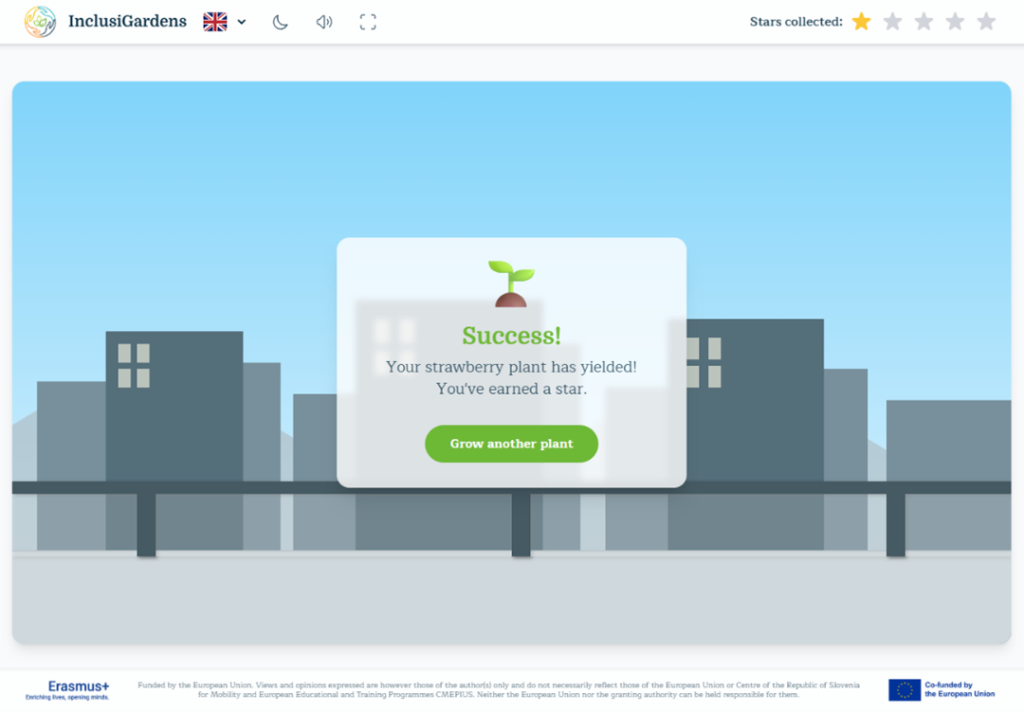
Izazov zelenog balkona logički je osmišljen kao početni digitalni alat za procjenu znanja koji je izravno povezan sa specifičnim ciljevima učenja utvrđenima u Modulu 3 ovog kurikuluma, a koji se odnose na vrtlarenje u posudama, optimizaciju prostora i osnovni odabir biljaka. Pedagoški gledano, ovaj prototip koristi psihološki okvir trenutačnog pozitivnog potkrepljenja, što je ključni element pri radu s odraslim polaznicima koji možda imaju povijesno uvjetovane negativne asocijacije na formalna obrazovna testiranja. Osvajanje blistave zvjezdice nakon uspješno odgovorenih pitanja o zahtjevima za njegu specifičnih biljaka služi kao digitalna značka unutar okruženja igre. Za odrasle polaznike, osobito one koji su u prošlosti doživjeli obrazovnu obespravljenost, društvenu marginalizaciju ili dugotrajnu nezaposlenost, ovakva trenutačna, gejmificirana potvrda znanja gradi ključnu samoefikasnost i samopouzdanje.
Cjelokupni narativ igre – transformacija praznog platna u bujnu, urbanu oazu – izravno odražava stvarni proces dizajna prema metodi GOBRADIME (Goals (ciljevi), Observation (opažanje), Boundaries (granice), Resources (resursi), Analysis (analiza), Design (dizajn), Implementation (implementacija), Maintenance (održavanje), Evaluation (evaluacija)) o kojem se detaljno uči na početnim radionicama. Tražeći od polaznika da sustavno upravljaju uzgojem pet različitih biljaka, igra uvodi temeljni ekološki koncept bioraznolikosti unutar strogo ograničenog prostora. Pitanja unutar same arhitekture igre logički su osmišljena kako bi testirala polaznikovo razumijevanje ključnih vrtlarskih čimbenika kao što su potreba za svjetlošću, učestalost zalijevanja i dubina posude, a koji su apsolutno nužni za preživljavanje i napredovanje biljaka na balkonu. Namjerna jednostavnost korisničkog sučelja, omogućena i pojednostavljena procesom razvoja kroz vibe coding, osigurava da kognitivno opterećenje polaznika bude u potpunosti usmjereno na edukativni hortikulturni sadržaj, a ne na frustraciju zbog upravljanja složenim i zamršenim kontrolama igre. Ova ciljana jednostavnost čini Izazov zelenog balkona idealnim uvodom bez stresa prije nego što sudionici na samim radionicama započnu s fizičkim, taktilnim zadatkom iscrtavanja vlastitog dizajna balkona na papiru.
Zeleni neboder
Vi ste upravitelj zgrade s misijom! Vaš je cilj prepoznati koji su stanari Zeleni (ekološki osviješteni), a koji su Neodrživi (imaju neodržive navike). Koristite tragove kako biste utvrdili status svakog stanara. Identificiranjem stanara s neodrživim navikama možete im pomoći da postanu jednako zeleni kao i njihovi sustanari. Ne brinite, InclusiGardens edukativni materijali su zabavni za korištenje! Ne smijete pogađati! Igra vam omogućuje da napravite odabir samo ako je 100 % logički dokaziv.
Poveznica: https://inclusigardens.pou-cakovec.hr/game2/
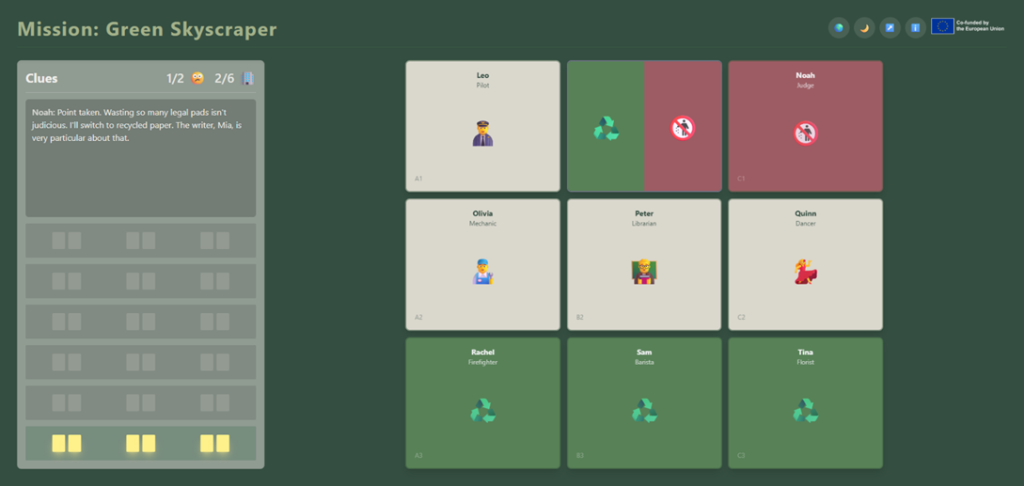
Zeleni neboder uvodi znatno višu razinu kognitivne složenosti u proces učenja oblikujući urbanu održivost kao zahtjevnu deduktivno-logičku zagonetku. U ovom specifičnom prototipu igrač je namjerno stavljen u poziciju autoriteta, odgovornosti i nadzora nad zajednicom – u ulogu upravitelja zgrade. Ovaj element igranja uloga sam po sebi potiče duboki osjećaj aktivnog djelovanja, građanske dužnosti i odgovornog upravljanja zajednicom među sudionicima. Temeljna mehanika igre u potpunosti se vrti oko korištenja detaljnih, kontekstualnih tragova kako bi se točno razlikovali Zeleni i Neodrživi stanari koji žive unutar ove vertikalne zajednice. To izravno odražava stvarne vještine opažanja i analize koje su potrebne u održivom urbanom dizajnu i permakulturi, gdje praktičari moraju kritički procijeniti okoliš, identificirati neučinkovito korištenje resursa te primijeniti korektivne mjere isključivo na temelju uočljivih, empirijskih podataka, a ne na temelju pretpostavki.
Strogo pravilo da se odabiri ne smiju pogađati i da moraju biti 100 % logički dokazivi tjera odrasle polaznike da aktivno vježbaju znanstveno razmišljanje, sustavno testiranje hipoteza i proces logičke eliminacije. Ova zahtjevna kognitivna vježba izravno je i trenutačno primjenjiva u fazama dijagnosticiranja i rješavanja problema kod uzgoja bilja u zatvorenom prostoru i na balkonima, o čemu se uči u Modulu 2. Tamo polaznik mora, isključivo na temelju vizualnih tragova i logike okoliša, točno zaključiti zašto biljka propada (primjerice, razlikovati vizualno identične simptome truljenja korijena zbog prekomjernog zalijevanja od uvenuća zbog nedostatka svjetlosti).
Tematska dihotomija između Zelenih i Neodrživih navika neprimjetno se integrira s kasnijim modulima kurikuluma koji se bave kuhanjem bez otpada, uštedom energije i kompostiranjem u malim prostorima. Prepoznavanjem specifičnih neodrživih praksi unutar sigurnog okruženja priče o igri, igrači uče prepoznati i preispitati slične navike u vlastitom svakodnevnom životu, a da se pritom ne osjećaju osobno napadnuti ili osuđeni. Ono što je ključno, igra konačno rješenje ne oblikuje kroz kažnjavanje, iseljavanje ili sramoćenje Neodrživih stanara, već im pruža pomoć da kroz edukaciju i podršku prijeđu na ekološki osviještene prakse. Na taj se način u samoj srži povezuju glavne teme kurikuluma – empatija i socijalna uključenost – s temeljnim etičkim načelom permakulture koje nalaže brigu i skrb za ljude.
Čuda s prozora
Kooperativna InclusiGardensigra. Surađujte s tri susjeda kako biste izgradili najbolji zajednički vrt. Prikupljajte komplete resursa, pregovarajte o zalihama i pomozite jedni drugima!
Poveznica: https://inclusigardens.pou-cakovec.hr/game3/
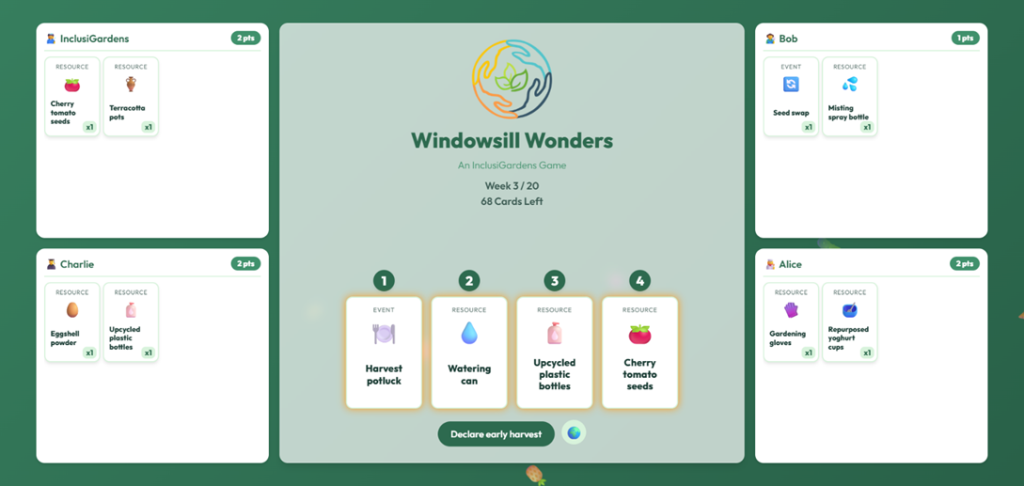
Digitalna inačica igre Čuda s prozora predstavlja ključan korak u strategiji gejmifikacije ovog kurikuluma, pomičući pedagoški fokus u potpunosti s individualne procjene i izolirane deduktivne logike na složenu, suradničku interakciju s više igrača. Zahtijevajući od igrača da aktivno surađuje s tri virtualna susjeda, igra digitalizira dinamiku suradnje, izazove i uspjehe upravljanja stvarnim zajedničkim vrtom. Temeljne mehanike prikupljanja specifičnih kompleta resursa, sudjelovanja u strukturiranim pregovorima oko ograničenih zaliha i pružanja međusobne pomoći izravno u praksi provode treću temeljnu etiku permakulture: Pravednu raspodjelu – odnosno načelo vraćanja viška i pravedne raspodjele ključnih resursa među članovima zajednice.
Ovaj online prototip služi kao vitalan, pristupačan most za socijalno izolirane ili vrlo ranjive polaznike. Za pojedince koji možda nemaju fizičku mobilnost za trenutačno sudjelovanje u vrtlarenju u zajednici na otvorenom, ili za one koji se suočavaju s visokom razinom socijalne anksioznosti u grupnim okruženjima, digitalni prostor pruža iznimno sigurno, strukturirano i posredovano okruženje za vježbanje ključnih životnih vještina kao što su pregovaranje, kompromis i suradnička komunikacija. Mehanika igre sama po sebi zahtijeva od igrača da sagledaju širu sliku izvan svojih trenutačnih, kratkoročnih potreba i uzmu u obzir krovni, kolektivni cilj – izgradnju najboljeg zajedničkog vrta. To zorno pokazuje da je individualni uspjeh u urbanoj poljoprivredi duboko i neraskidivo povezan sa zdravljem, otpornošću i suradnjom šire mreže zajednice koja ga okružuje. Fleksibilna, vibe-coded arhitektura ovog specifičnog prototipa omogućuje edukatorima da brzo testiraju različite modele interakcije više korisnika i pažljivo usavrše matematičku mehaniku digitalne oskudice resursa prije nego što te koncepte prenesu u iznimno složenu, fizičku stolnu igru.
Fizička igra: Čuda s prozora
Dobro došli u igru Čuda s prozora! U ovoj se igri međusobno ne natječete. Vi predstavljate tim gradskih vrtlara koji zajedno grade najbolje moguće mikrovrtove na prozorima. Cilj je prikupiti odgovarajuće komplete vrtlarskog pribora i resursa kako biste zaradili bodove. Ako zbroj bodova vašeg tima dosegne ciljani broj bodova prije kraja sezone, svi pobjeđujete! Ispred vas se nalazi vaša prozorska daska (igraća površina). Također, u ruci držite četiri karte za planiranje označene brojevima 1, 2, 3 i 4. Koristit ćete ih tako da u tajnosti odaberete koju zajedničku stanicu s resursima želite posjetiti svakog tjedna.
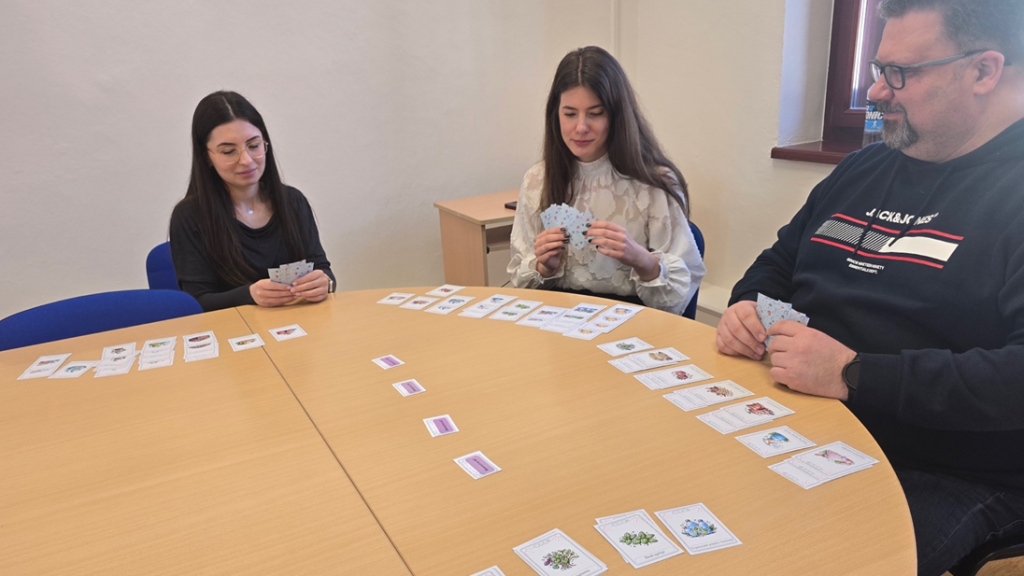
Fizička stolna inačica igre Čuda s prozora predstavlja vrhunac plana gejmifikacije kurikuluma projekta InclusiGardens, pružajući višesjetilno i duboko interpersonalno obrazovno iskustvo. Eksplicitnim definiranjem da se igrači ne natječu jedni protiv drugih, igra u startu uklanja anksioznost i uvodi zajedničkog, sistemskog protivnika: stalno istjecanje vremena i matematički izazov postizanja zajedničkog ciljnog rezultata. Ovaj jedinstveni cilj zahtijeva od igrača da u potpunosti napuste razmišljanje u okvirima nulte sume i usvoje holistički pristup sistemskog razmišljanja, što savršeno oslikava stvarnost makrorazine vrtlarenja u zajednici.
Struktura igre i mehanika postavljanja
Kako bi se omogućila laka krivulja učenja, igra koristi vrlo strukturiran i repetitivan sustav poteza. Postavljanje zahtijeva minimalan broj fizičkih komponenti:
- Prozorska daska: Osobna igraća površina pojedinog igrača na kojoj se prikazuju osvojene karte i grupiraju u setove za bodovanje.
- Karte za planiranje 1, 2, 3, 4: Koriste se za mehanizam istovremenog, tajnog odabira akcija.
- Stanice s resursima 1, 2, 3, 4: Zajednička društvena središta na kojima se tjedno dijele nove zalihe.
- Vrtne karte: Središnji špil koji pokreće ekonomiju igre, a sadrži karte resursa i karte posebnih događaja.
- Ciljani broj bodova: Zajednički cilj (80, 100 ili 120 bodova) koji cijeli tim mora dosegnuti.
Kako igrati: četiri koraka tjednog poteza
Igra se igra kroz najviše 20 tjedana (poteza), čime se simuliraju biološka ograničenja vegetacijske sezone.
- Prvi korak: Isplanirajte svoj posjet: Pogledajte četiri vrtne kartice na sredini stola. Potajno iz ruke odaberite kartu planiranja čiji broj odgovara broju stanice koju želite posjetiti. Kada su svi spremni, istovremeno ih okrenite! Ovo potiče visoku razinu kognitivne empatije i predviđanja tuđih potreba (sagledavanje perspektive drugih).
- Drugi korak: Uzimanje resursa i pregovaranje: Ako ste jedini odabrali određenu kartu, uzmite je. Ako dvije osobe odaberu istu kartu, moraju pregovarati koristeći kamen-škare-papir. Pobjednik uzima željenu kartu, a poraženi uzima kartu koja je ostala. Ova kulturološki univerzalna mehanika temeljena na sreći u potpunosti uklanja prostor za agresivnu verbalnu argumentaciju.
- Treći korak: Pretrpane stanice: Ako troje ili četvero igrača odabere potpuno istu stanicu, na njoj je prevelika gužva! Igrači s istim odabirom moraju uzeti svoje karte za planiranje natrag i izabrati novu stanicu među preostalim stanicama. To vizualno demonstrira da je duboka fleksibilnost apsolutni preduvjet kada je društvena infrastruktura preopterećena.
- Četvrti korak: Obnavljanje zaliha na stanicama: Kada svatko ima točno jednu novu kartu na svojoj prozorskoj dasci, tjedan je gotov. Otkrivaju se četiri nove karte za sljedeći tjedan.
Kako osvojiti bodove
Bodove osvajate sakupljanjem setova istih karata resursa. Karte koje čine set držite grupirane ispred sebe na svojoj prozorskoj dasci. Ovaj model eksponencijalnog rasta elegantno demonstrira temeljni permakulturni princip sinergije.
- 1 samostalna karta = 1 bod
- 2 iste karte = 3 boda
- 3 iste karte = 6 bodova
- 4 iste karte = 10 bodova
Karte posebnih događaja
Ponekad možete uzeti kartu događaja. Držite ih licem prema gore na svojoj prozorskoj dasci i iskoristite ih jednom kako biste pomogli timu.
- Susjedska donacija: Dajte jednu od svojih karata suigraču kojem je potrebna.
- Razmjena sjemena: Zamijenite jednu kartu sa suigračem (obojica se morate složiti!).
- Žetvena gozba: Svatko prosljeđuje jednu kartu osobi sa svoje lijeve strane.
- Sastanak zajednice: Iskoristite ovu kartu na početku poteza. Samo tog tjedna svi mogu razgovarati i dogovarati se koje će karte izabrati. Ne moraju koristiti kamen-škare-papir.
Kako pobijediti i strategija rane berbe
Ako smatrate da zbroj vaših bodova doseže ciljani broj (80, 100 ili 120 bodova), možete proglasiti Ranu žetvu i odmah pobijediti u igri. U suprotnom, na kraju 20. tjedna zajednički zbrojite svoje konačne bodove.
Pravilo rane žetve služi kao snažan poticaj protiv lijenosti i samozadovoljstva, zahtijevajući kontinuirani matematički angažman i proaktivnu komunikaciju među svim sudionicima. Varijabilni ciljani bodovi omogućuju edukatorima da precizno prilagode težinu kako bi osigurali brzu pobjedu koja podiže moral već u prvom igranju.
Upute za voditelje: provedba u praksi
Uspješna i učinkovita primjena ovih prototipova edukacijskih igara – kako digitalnih verzija, tako i kompleksne fizičke društvene igre – uvelike ovisi o aktivnom i empatičnom posredovanju odraslog predavača ili voditelja. Gejmifikacija u obrazovanju odraslih nikada ne bi trebala postojati u vakuumu niti se tretirati kao puka zabava; ona mora biti dosljedno i verbalno povezana s temeljnim ciljevima učenja iz kurikuluma InclusiGardens.
Prilikom uvođenja vibe-coded digitalnih online igara, voditelji bi ih trebali postaviti kao brze, zanimljive pauze za mozak koje uokviruju intenzivnije, teorijske lekcije u učionici. Na primjer, izazov Zeleni balkon služi kao idealna aktivnost za zagrijavanje i podizanje samopouzdanja neposredno prije početka Modula 3 (Dizajn balkonskog vrta), dok logičke zagonetke u igri Zeleni neboder pružaju izvrsnu analitičku vježbu koja prethodi Modulu 5 (Kompostiranje i zero-waste). Voditelji moraju biti iznimno svjesni digitalnog jaza i osigurati da se tehnološke barijere svedu na minimum. Trebali bi osigurati dostupne uređaje ako je potrebno, stabilnu internetsku vezu ili proaktivno koristiti središnji projektor za zajedničko igranje u grupi ako pojedinačni hardver nije dostupan ili ako polaznicima nedostaje osnovna digitalna pismenost.
Provedba fizičke igre Čuda s prozora zahtijeva puno veći vremenski blok i pažljivo vođenje. Uloga predavača tijekom ove društvene igre dramatično se mijenja; oni moraju istovremeno djelovati kao strogi arbitri pravila i kao podržavajući treneri koji promatraju proces. Voditelji bi se trebali strogo pridržavati sljedećih najboljih praksi:
- Pratite kognitivno opterećenje i ublažite preopterećenost: Osigurajte da su složena pravila skrivenog odabira, rješavanja kroz kamen-škare-papir i eksponencijalnog bodovanja setova u potpunosti shvaćena prije nego što započne prvi službeni potez. Voditelji bi trebali fizički provesti grupu kroz probni tjedan sa svim kartama planiranja okrenutim licem prema gore kako bi potpuno demistificirali mehaniku i ublažili bilo kakvu tjeskobu oko izvedbe.
- Aktivno potičite verbalizaciju: Tijekom faze skrivenog odabira, voditelj mora strogo provoditi pravilo šutnje kako bi se očuvala mehanika dedukcije. Međutim, tijekom faza rješavanja i dopunjavanja, voditelj mora aktivno poticati igrače da naglas verbaliziraju svoje strategije. Postavljanje dubljih pitanja poput: „Zašto ste odlučili zamijeniti baš to sjeme?” ili „Kako ste znali da će odigrati kartu s vrijednošću 2?” stavlja podsvjesne strategije u središte pozornosti grupe, čime se utvrđuje naučeno.
- Dinamički upravljajte krivuljom težine: Kontinuirano procjenjujte emocionalnu dinamiku grupe i razinu frustracije. Ako se igrači vidno muče s eksponencijalnom matematikom sustava bodovanja, voditelj bi im trebao bez ometanja tijeka igre osigurati isprintanu tablicu s vizualnim prikazom bodova. Ako grupa napreduje prelako i igri nedostaje napetosti, voditelj bi ih u sljedećim igranjima trebao izazvati s puno višim ciljanim brojem bodova kako bi testirao njihove granice suradnje.
Ono što je najvažnije, završetak igre Čuda s prozora – bilo da završi trijumfalnom Ranom žetvom ili razočaravajućim nedostatkom bodova u 20. tjednu – mora odmah biti popraćen strukturiranim razgovorom i osvrtom. Gejmificirano učenje postiže svoj apsolutni maksimum pedagoškog potencijala upravo tijekom ove kritične faze refleksije. Voditelji bi trebali pažljivo voditi sudionike kako bi intenzivne emocije i strategije doživljene tijekom igre izravno povezali sa stvarnim osobnim akcijskim planovima koje razvijaju na samom kraju kurikuluma. Neka od dubljih pitanja za promišljanje tijekom ovog osvrta mogla bi uključivati:
- Kako ste se zapravo osjećali kada je dvoje od vas htjelo potpuno isti resurs i kako je igra kamen-škare-papir promijenila taj osjećaj?
- Kako je karta Sastanak zajednice promijenila način na koji je vaš tim djelovao u usporedbi s rundama u kojima je vladala tišina?
- Kako možemo komunikacijske strategije i kompromise koje smo koristili za pobjedu u ovoj igri izravno primijeniti kada se sljedećeg mjeseca obratimo gradskom vijeću za pravi, fizički prostor za društveni vrt?
Praktični izgledi i pedagoška sinteza
Odjeljak o prototipovima edukacijskih igara sažima inovativnu metodologiju projekta InclusiGardens usmjerenu prema budućnosti. Hrabrim korištenjem lako dostupnih naprednih tehnologija, poput vibe-codinga i umjetne inteligencije temeljene na prirodnom jeziku, kurikulum pruža ciljane, brzo primjenjive digitalne dodirne točke koje uspješno utvrđuju složena hortikulturna znanja, deduktivno zaključivanje i preliminarne vještine suradnje. Ovi digitalni alati služe kao ključna potpora koja utire put bogatoj, kompleksnoj i emocionalno upečatljivoj međuljudskoj dinamici koju potiče fizička društvena igra Čuda s prozora.
Zajedno, ovaj skup prototipova čini mnogo više od pukog testiranja činjeničnog znanja; oni aktivno i u sigurnom okruženju simuliraju emocionalnu, praktičnu i društvenu stvarnost urbanog mikrovrtlarenja u 21. stoljeću. Transformacijom apstraktnih, često zastrašujućih ekoloških koncepata – kao što su oskudica resursa, pravedna raspodjela, sustavno razmišljanje i bioraznolikost – u opipljive, taktilne mehanike igre poput sjajnih zvjezdica, logičkih dedukcija, pregovora kroz kamen-škare-papir i eksponencijalnih setova bodova, kurikulum osigurava da odrasli polaznici svih profila, razina pismenosti i fizičkih sposobnosti mogu duboko usvojiti ove kritične lekcije. Kroz strukturiranu i namjernu primjenu igre, ranjive urbane skupine ne uče samo mehaniku uzgoja biljaka na prozorskoj dasci; oni se iz temelja opremaju ključnim komunikacijskim vještinama, praktičnim predviđanjem i otpornim, suradničkim načinom razmišljanja koji su apsolutno nužni za stvaranje uspješnih, inkluzivnih i održivih zajednica u stvarnom svijetu.